Trees that heal: the first therapeutic forest on the Iberian Peninsula is in Portugal
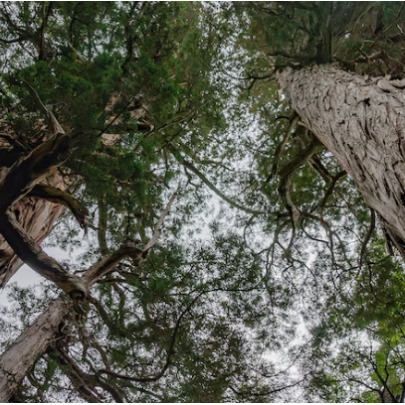
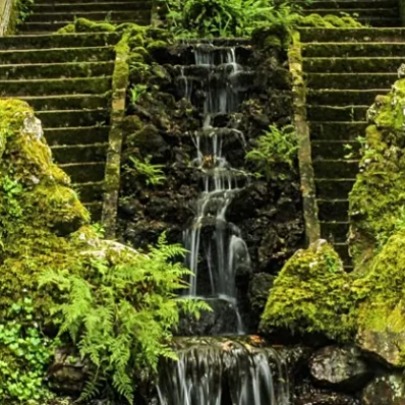
The Bussaco national forest has become the first certified therapeutic forest in the Iberian Peninsula and becomes part of an exclusive group of four worldwide. There are only four in the entire world and Portugal has one of them. The Bussaco National Forest has officially received the Therapeutic Forest certification. It is the first on the Iberian Peninsula, joining Beneddiktinerstift, in Austria, and Lahnstein and Bad Nauheim, both in Germany
After years in the implementation phase, the certification, granted on July 17 by the Healing Forest - International Certification Office, comes to recognize the characteristics of the Portuguese forest, located in the parish of Luso, in the municipality of Mealhada. This certification, which places us in the group of four therapeutic forests in the world and as the first in the Iberian Peninsula, gives us global status and brings with it a great responsibility, stressed the president of Fundação Mata do Bussaco, Gonçalo Breda Marques, cited by the Lusa agency. The Mata do Bussaco has 105 hectares of land and, according to the Fundação Mata do Bussaco, has one of the best dendrological collections in Europe, with nearly 250 species of trees and shrubs. What makes a forest a therapeutic place? According to the Healing Forest - International Certification Office, therapeutic forests are forest areas designed for therapeutic use in indications specific. There are qualified therapists to accompany specific treatments or programs in these places, which can be beneficial when addressing disabling diseases, positively influencing conventional therapies. For these forests to have these capabilities, they need to meet a series of criteria, such as having natural structures that provide noise attenuation and visual and wind protection, routes with different levels of demand and degrees of difficulty and areas intended for therapeutic applications, as well as relaxation exercises. The certification process is developed in different phases. The first consists of the presentation of basic information and documentation of the place, after which the procedure progresses towards a technical inspection on the ground carried out by a team from the certification office, which evaluates its potential for therapeutic use. Once the first two stages have been passed, the evaluation is carried out based on the defined criteria and the characteristics of the forest analyzed, until the certificate is granted, which has a limited validity. In the case of the Mata do Bussaco, the certification is valid until 2031. According to the same entity, these outdoor practices can provide several scientifically proven benefits, including an improvement in cognitive abilities, reduction of stress, anxiety and depression, reduction of blood pressure, strengthening of the immune system and improvement of sleep quality. The research, carried out over the last decade, comes mainly from Asian countries.Forest bathingThe idea that an immersive experience in a forest area can be beneficial is not new. The so-called "forest bathing" is the direct translation of the Japanese shinrin-yoku and was created in Japan in 1982 as part of a national health program designed to reduce the stress levels of the Japanese population. The concept is close to a practice of well-being or mindfulness, guided by companions, without the need to respond to a specific medical indication, and works as a health practice similar to those already recommended, such as the need for a healthy diet or the practice of physical exercise. Forest therapy, on the other hand, is presented as a practice with greater clinical formalization, led by accredited forest therapists, sometimes associated with specific medical-therapeutic indications, such as cardiovascular, respiratory, psychosomatic, orthopedic or neurological diseases.