The era of extreme weather | The wildfire season in the US started in a historic way and could get worse
In southern Georgia, fast-moving flames destroyed a record number of homes; In the Great Plains, in Nebraska, the largest fire in the states history left one person dead and devastated more than 242,811 hectares of livestock areas; and on the outskirts of Los Angeles, an unusually early fire prompted evacuation alerts for thousands of people. Wildfire season has been far from mild this spring.
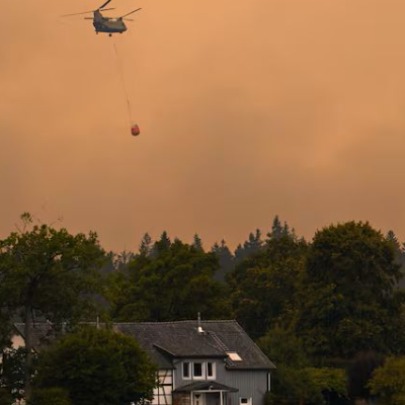
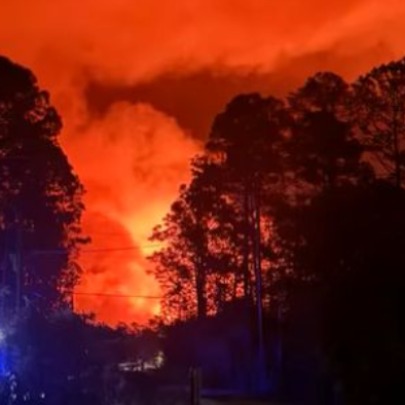
Across the United States, wildfire activity reached historic levels this spring and will likely worsen in the coming months, experts say. Since the beginning of 2026, almost 30,000 fires have been recorded throughout the country, the highest number in almost two decades. More than 2 million acres have burned, double the average for the last 10 years and the largest loss recorded in 14 years. The Southeast has so far accumulated the most fires in the country, with outbreaks closer to populated areas than usual. However, the largest fires have occurred in the Great Plains, where strong winds pushed flames through different communities. The West has already experienced destructive and unusually early events, raising concerns about a dangerous fire season. Here we are in May and were already talking about people losing their homes and their lives, said Morgan Varner, research director at the Tall Timbers Research Station Land Conservancy, in Tallahassee, Florida. Several factors “point to a really bad year” in many regions, he said. These include low snow accumulation, abundant vegetation, drought and expected changes in weather patterns due to the development of a “super” El Niño, all on top of a warming climate that intensifies hot, dry conditions that favor the start and spread of fires. of history. Since the beginning of the year, more than 3,000 fires have burned 83,000 acres in the state, according to data from the Georgia Forestry Commission. That represents almost twice as many fires and eight times more burned area than this same period in the last five years. We have been in a drought and the situation has been worsening since late summer 2025, said Thomas Barrett, chief of forest protection for the Georgia Forestry Commission. Its taken all this time to finally get as bad as it could get. Forecasts from the National Interagency Fire Center call for elevated fire activity through July, when summer storms could bring relief. "Im crossing my fingers that were peaking now and that the situation will start to improve in a couple of months," Barrett said. Everyone in the Southeast has been in more or less the same situation this spring. Unlike previous years, fires are also affecting areas closer to populated areas, particularly in Georgia. Aprils Highway 82 Fire, believed to have been sparked by a party balloon that fell on a power line, destroyed more than 120 homes, the most destroyed by fire since records began in the 1950s and likely in state history, according to Barrett. Some fires sent smoke hundreds of miles away, as far as Atlanta. Farther south in Florida, fires burned tens of thousands of acres near Jacksonville and on the outskirts of the Miami metropolitan area, sending smoke into communities that rarely experience it. "Weve been in an area where you almost never see wildfires," Varner said. We are coughing from the smoke while we mow the lawn or look at our azaleas. Most of the wildfires recorded this year have occurred in southeastern states, particularly Georgia, Florida and North Carolina. Research shows that the region has seen an increase in wildfire activity in recent decades, largely due to changes in vegetation and climate. While firefighters battled the flames, Varner noted that many states were unable to conduct scheduled prescribed burns, a practice of burning accumulated vegetation in controlled areas to prevent it from providing fuel for future fires. In Florida, the number of prescribed burns executed is among the lowest in the last 25 years, he said. Across the Southeast, nearly every state is about halfway done with what it should have done. The problem isnt just what happens at the end of May of this year or at the end of the summer, he said. Theres the cumulative effect that could affect next year. Winds fan flames across Great Plains In less than a day, the Morrill Fire burned through 70 miles of grasslands in western Nebraska on March 12. The fire raged through the town of Oshkosh, where the fire department advised residents to turn on sprinklers until additional help arrived. Strong winds made containment efforts difficult and the fire ended up consuming 642,000 acres, becoming the largest recorded in the states history and the largest fire in the country this year. The Great Plains, particularly Nebraska, Colorado, Kansas and South Dakota, concentrated some of the largest areas burned this spring. Nebraska alone, which has recorded 25 wildfires so far, accounted for about 40% of all forest area burned in the United States as of May 21, according to the National Interagency Fire Center. Like the Southeast, the Great Plains have been under intense drought for months and have seen high winds and low humidity this season, conditions that helped spread the flames across extremely dry grasslands. Fires have increased in number and size in the Great Plains as warmer, drier conditions prevail. A 2017 study found that the total area burned has increased 400% since the 1990s, accompanied by more fires each year. A more intense fire season is predicted in the WestThe fire season does not usually intensify until the summer and fall in the western United States, but firefighters are already working. And this could be just the beginning of a devastating year, especially in California. Off the coast of Southern California, a wildfire has consumed more than 17,000 acres on Santa Rosa Island, home to numerous rare plants and animals that exist nowhere else in the world. Large fires in Riverside and Ventura counties also prompted evacuation alerts for tens of thousands of people. Weve had a pretty anomalously dry winter across much of the western United States, and thats whats really worrying people, said Craig Clements, a professor of meteorology and director of the National Science Foundations Interdisciplinary Wildfire Research Center. Historic warmth in March reduced snow accumulation to below-normal levels in Southern California, drying out vegetation earlier than expected. usual. River basins from the West Coast to Colorado and the Southwest are also below 20% of normal levels, according to the National Interagency Fire Center. Forecasters expect wildfire activity to be above average as the summer progresses in California, the Southwest and the Great Basin. The April and May rains are generating more vegetation that can serve as fuel for fires. The development of an El Niño could also bring more dry storms to the region and more lightning capable of starting fires. "What worries me is that we will have a prolonged heat wave followed by dry thunderstorms," ??Clements said. "Everyone is anticipating it, but it will depend on how the weather conditions evolve.