World Tree Day: the story of Hyperion, the tallest tree on the planet
Every June 28, the essential role that these plants play in the health of the planet is recognized, from regulating the climate to protecting biodiversity. Among millions of plant species, a singular giant stands out that defies known limits
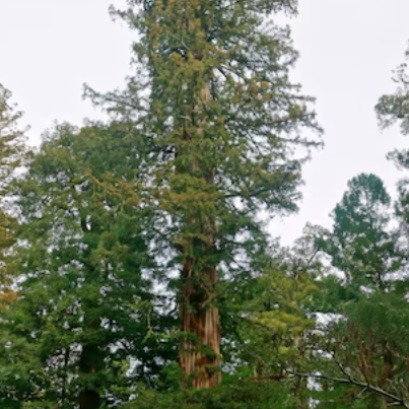
Every June 28, World Tree Day is commemorated, a day dedicated to recognizing the fundamental role that trees play in the life of the planet. This anniversary calls to value its contribution to ecological balance, climate regulation and the provision of essential resources for humanity and biodiversity. Present on all continents, except Antarctica, these plants support ecosystems, capture carbon and offer shelter to countless species, in addition to contributing to the quality of air, water and soil. Among the millions of specimens that populate the Earth, a colossus stands out: the tallest tree in the world. This title corresponds to Hyperion, a redwood located in the coastal forests of northern California. Its imposing height and longevity make it an emblem of natural wealth and a reminder of the need to conserve great old forests in the face of the multiple threats that threaten them. A hidden giant among the forests of CaliforniaAccording to Guinness World Records, the tallest tree currently recorded is Hyperion, a redwood (Sequoia sempervirens) that reaches 116.07 meters. Its discovery occurred in 2006 by naturalists Chris Atkins and Michael Taylor, although the last official measurement was made in 2019. The diameter of its trunk reaches almost five meters, and its weight, considering only the wood above ground level and without water, is around 209 tons. In addition, its crown holds another record: the deepest in the world, with 90.9 meters from the top to where the foliage begins. Its exact location remains secret, in an attempt to protect it from damage derived from tourism and human activity. Only a small group of biologists and forest rangers know the precise location, which shows the risk that this type of specimen faces. Its estimated age ranges between 600 and 800 years, although other reports mention that it may exceed a millennium. In South America, the record is held by the vermelho angelim (Dinizia excelsa) of the Iratapuru River Natural Reserve, in Brazil, which reaches 88.5 meters and almost 10 in diameter. This specimen, in addition to being an emblem of the Amazon, plays a key role in carbon storage and the ecological balance of the region.Characteristics of the most monumental speciesThe sequoias mainly comprise two species: the redwood (Sequoia sempervirens) and the giant sequoia (Sequoiadendron giganteum).According to data from National Geographic, the Sequoia sempervirens is the tallest species, restricted to a coastal strip between the south of Oregon and Northern California. Its bark protects these trees from fires, pests and droughts, allowing longevity that exceeds 2,000 years in some cases. The Sequoiadendron giganteum, although more robust in volume, does not reach the heights of its coastal relative. The adaptation of redwoods to their environment is remarkable. They thrive in humid, temperate climates, taking advantage of the Pacific fog to capture water through their foliage. The ability to resprout from stumps and clonal growth give them an advantage in recovery after episodes of logging or fire. However, its reproduction through seeds is sporadic and limited by environmental factors. The IUCN (International Union for Conservation of Nature) classifies both Sequoia sempervirens and Sequoiadendron giganteum as endangered species, with fragmented and declining populations. The historical use of its wood and urbanization drastically reduced the areas of primary forest. In addition, the systematic suppression of natural fires for decades altered the ecological balance of the redwoods and favored the accumulation of combustible material, which increased the risk of more destructive fires. Less than 5% of the original coast redwood habitat is preserved in parks and preserves, while the rest is subject to logging or urban development. Challenges to the permanence of large forests Redwood forests represent one of the oldest and most valuable ecosystems on the planet. According to the nonprofit Save the Redwoods League, about 20% of mature giant sequoias have been lost since 2015 to severe fires, exacerbated by climate change and drought in California. These fires, much more intense than those that shaped the evolution of redwoods for millennia, exceed the resistance capacity of their bark and eliminate ancient trees in a matter of days. Forest management has evolved in recent decades. Initiatives such as the restoration of the Giant Forest in Sequoia National Park, documented by the US National Park Service, showed that removing infrastructure and restoring the natural environment can reverse decades of human impact. The use of controlled burning and reducing the density of young trees are proposed as strategies to restore the natural fire cycle and avoid dangerous fuel accumulation. In parallel, reports from the United Nations Environment Program (UNEP) and the United States Environmental Protection Agency (EPA) highlight the fundamental role of trees and forests in mitigating climate change, regulating temperatures and providing ecosystem services. Redwoods, due to their size and longevity, are among the largest carbon sinks in the world. In addition, well-managed forests offer social benefits, such as employment, improved air quality and protection of water sources. However, effective restoration and conservation requires coordinated policies, sustained financing and the participation of local and indigenous communities. Experts agree that the preservation of redwoods, and forests in general, must prioritize biological diversity and the well-being of the people who depend on these ecosystems. Restoring degraded forests, reducing the use of fossil fuels and protecting the last relics of primary forest are urgent tasks to guarantee the survival of these giants and the benefits they provide to humanity.