They discover how pines and exotic mushrooms advance in the Cordillera
Research shows that certain microscopic fungi associated with pine roots increase the growth of the most invasive pine species, an interaction that could help explain some of this success.
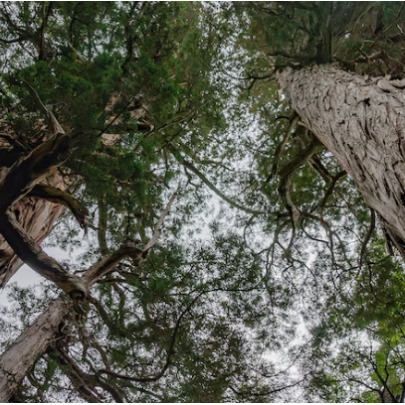
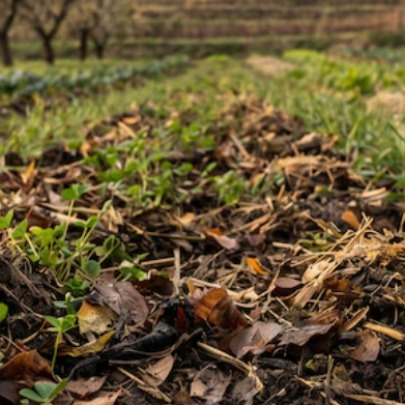
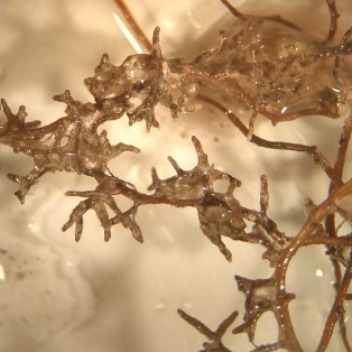
A study with the participation of IPEEC-CONICET provides new evidence on a little-known phenomenon of biological invasions: some exotic species can mutually favor their establishment and expansion. The research shows that certain microscopic fungi associated with the roots of pine trees increase the growth of the most invasive pine species, an interaction that could help explain part of the success of these invasions in different regions of the world, including Patagonia. The work was published in the journal Biological Invasions and had researcher Nahuel Policelli, from the Patagonian Institute for the Study of Continental Ecosystems (IPEEC-CONICET), in collaboration with scientists from Duke University and Boston University, as first author. from the United States. Exotic pines represent one of the main challenges for the conservation of numerous environments in the world. Once established outside the plantations, they can advance over steppes, grasslands and forests, modifying the availability of water, the composition of the vegetation and the functioning of ecosystems. However, behind this expansion there is a less visible component: ectomycorrhizal fungi. These organisms live associated with the roots of pine trees and help them obtain nutrients and water from the soil. In exchange, they receive carbon-rich compounds produced by the trees. To better understand how this relationship influences biological invasions, the team conducted experiments under controlled laboratory conditions, using different species of pine trees and fungi with different degrees of invasive capacity. The working group analyzed the growth of the plants and the level of colonization of the roots by the fungi. The results showed that the most invasive pine trees grew more when they were associated with also highly invasive fungi. Furthermore, these fungi colonized the roots with greater intensity than less invasive species. The finding is relevant because it puts the spotlight on organisms that usually go unnoticed. While the effects of plant invasions are visible in the landscape, microorganisms that live underground can play a determining role in these ecological processes. The research team points out that this type of study will move research on microbial invasions from a descriptive approach to a functional one: that is, from the question: who is invading? "What are these invasive fungi doing in that environment? The results described in the scientific article provide evidence to the idea that invasive symbiont fungi modulate the invasion capacity of non-native plants." That is, invasive pine trees grow larger and faster with the help of invasive fungi. This study can serve as a model to investigate other plant-soil microorganism invasion systems and contribute to a change in our perception of plant and fungal invasions, they conclude.