The era of extreme weather | Latin America experiences increasing heat waves, droughts and record floods in 2025
In 2025, Latin America and the Caribbean experienced one of the warmest years ever recorded, marked by extreme heat waves, persistent droughts, devastating floods and more intense tropical cyclones, according to the State of the Climate in Latin America and the Caribbean 2025 report from the World Meteorological Organization (WMO).
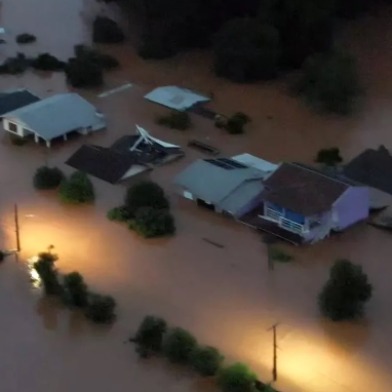
The organization warns that the region faces an intensification of climate risks while the impacts on health, food security, water resources and infrastructure increase. The report indicates that 2025 was between the fifth and eighth warmest year on record in Latin America and the Caribbean, with a regional average temperature about 0.40 ºC higher than the average for the period 1991-2020. The WMO highlights that the warming was especially intense in Mexico, America Central and the Caribbean, where thermal anomalies of between 1 ºC and 3 ºC above usual were recorded. Among the most extreme episodes is the absolute record of 52.7 ºC reached in Mexicali (Mexico) on August 12, the highest temperature recorded in the country. Temperatures above 40 ºC and 45 ºC were also reported in different parts of Mesoamerica. In Brazil, extreme heat lasted for much of the year. The city of São Paulo reached 37.2 ºC in December, the highest value in more than six decades of observations. The report also highlights that the warming trends between 1991 and 2025 were the most intense observed since the beginning of the 20th century, with Mexico registering the highest rate of thermal increase, close to 0.34 ºC per decade. Extreme droughts and floods The region also suffered a strong intensification of hydrological extremes. According to the WMO, up to 85% of the Mexican territory was affected by drought, while the Caribbean experienced serious water supply problems and large areas of South America recorded precipitation deficits of more than 40%. In Cuba, water scarcity forced rationing measures to be imposed in several provinces, affecting both agriculture and energy supply. The Amazon basin also recorded exceptionally dry conditions in large areas of Brazil, Bolivia and Peru, aggravating the risk of forest fires and reducing flow. of large rivers.At the same time, many regions suffered from torrential rains and destructive floods. In Peru and Ecuador, persistent rainfall in March affected more than 110,000 people, causing landslides, massive damage to homes and serious agricultural damage. The WMO also highlights that June 2025 was the wettest month ever recorded in Mexico, with rainfall 55.8% higher than the climatic average. In Venezuela, extreme rains caused river overflows and earth movements that left dozens of fatalities and Million-dollar economic losses. Oceans and glaciers in retreat The report also warns of a rapid deterioration of oceanic and mountain ecosystems. The rise in sea level in parts of the Caribbean and the northern Atlantic coast of South America exceeds the global average, with rates of increase of up to 5.8 millimeters per year in some areas. The WMO warns that ocean warming and acidification continue to worsen. Ocean surface pH continued to decline in 2025 at an average rate of 0.016 units per decade, especially affecting coral reefs and sensitive marine ecosystems. In addition, the Caribbean Sea and the Gulf of Mexico recorded unprecedented ocean temperatures, accompanied by extreme marine heat waves. In the Andes, glaciers continue to lose mass at high speed. The document recalls that these ice masses constitute an essential source of water for some 90 million people. According to the WMO, during the last decade glacial loss has accelerated both in the tropical Andes and in Patagonia, compromising the future water security of numerous Andean communities. Most destructive hurricanes The meteorological organization also focuses on the increase in the intensity of tropical cyclones. Hurricane Melissa became the first Category 5 hurricane on record to make landfall in Jamaica, with winds of up to 298 kilometers per hour. The cyclone left 45 fatalities and economic losses estimated at $8.8 billion, equivalent to more than 41% of Jamaicas GDP. The WMO highlights that Jamaica managed to partially reduce the damage thanks to risk modeling systems, anticipatory financial mechanisms and early warning systems. In parallel, the report warns that the rapid intensification of hurricanes in the North Atlantic is increasingly frequent, making preparation and evacuation tasks more difficult. Impacts on health and food The WMO highlights that the extreme events of 2025 had growing consequences on public health and regional food security. The organization estimates that in Latin America there could be around 13,000 deaths attributable to heat each year, although it recognizes that there is significant under-reporting. In the agricultural field, the report documents massive crop losses and damage to rural farms after floods, droughts and hurricanes. In Haiti, more than 33,000 hectares of crops were flooded, while Jamaica recorded serious damage to more than 149,000 productive agricultural hectares. The WMO concludes that Latin America and the Caribbean face increasing exposure to simultaneous and increasingly complex climate impacts, which requires strengthening adaptation, early warning systems and cooperation between meteorological services, health authorities and those responsible for risk management.