Beekeeping in the Gran Chaco: they produce organic honey to stop deforestation and consolidate local roots
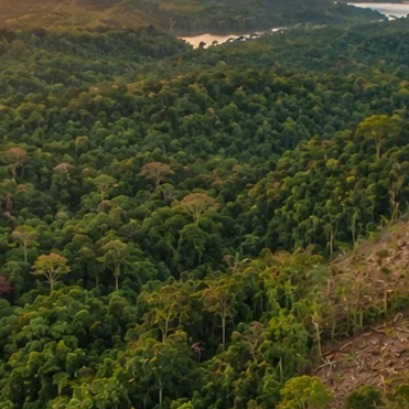
The Argentine Gran Chaco, which concentrates nearly 60% of the countrys native forests and represents approximately 25% of the national territory, faces one of the most alarming deforestation rates on the planet due to the advance of the agricultural frontier. Faced with this critical scenario, the Argentine Wildlife Foundation presented an active conservation strategy that uses sustainable beekeeping as a tool to keep the forest standing, mitigate the loss of biodiversity and boost the economy of local communities.
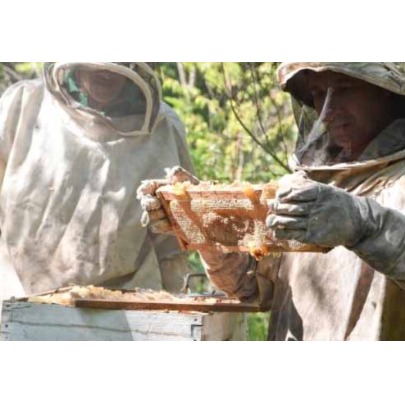
The initiative, made visible to coincide with World Bee Day, focuses on the town of El Sauzalito, north of the province of Chaco. Due to the geographical conditions and environmental purity offered by the Chaco mountain, the project specifically promotes the production of organic honey, an export category that allows adding value to be injected and substantially optimizing marketing margins for local producers. Biological corridors and community roots The technical proposal of the environmental organization seeks to refute the false contradiction between conservation and profitability, transforming beekeeping into a concrete job opportunity that encourages the roots of rural families and young people in their places of origin. We are working on sustainable activities that promote both the conservation of biodiversity and productive opportunities for families that live and develop in the Argentine Gran Chaco. In this way, we are strengthening the connectivity of the landscape and the functionality of biological corridors, since beekeeping is a clear example of how forest conservation can go hand in hand with local development, Lucía Lazzari, Biodiversity Coordinator of Fundación Vida Silvestre Argentina. The operational program includes a circuit of beekeeping initiation training structured under a cooperative format. As production depends directly on the natural flowering cycles and the good health status of the ecosystem, the producers themselves become direct custodians of forest resources, avoiding degradation or change in land use. A regional shield for the largest dry forest in America The project implemented in Chaco territory does not work in isolation; It is integrated into a continental-scale conservation architecture. This is an ecological connectivity program that covers the landscapes of the Pantanal and Chaco biogeographic complexes, managed in strategic alliance with the regional offices of WWF Brazil, WWF Bolivia and WWF Paraguay. The objective of this cross-border network is to unify environmental monitoring criteria and promote the exchange of community socio-productive development methodologies between the four countries. The urgency of protecting the Argentine ChacoThe Gran Chaco Americano is considered the largest continuous dry forest on the continent. It acts as the critical habitat for thousands of plant species and major fauna in danger of extinction, such as the jaguar, in addition to being the cultural and subsistence support of numerous native and Creole communities. The Wildlife Foundation concludes that the care of pollinators is a direct indicator of the health of the forest. Stimulating stable and traceable green markets emerges as the most efficient alternative to stop massive clearings, demonstrating that an intelligently managed native forest is economically more sustainable over time than the conversion of land for traditional agriculture.