The first woman to preside over the College of Agricultural Engineers
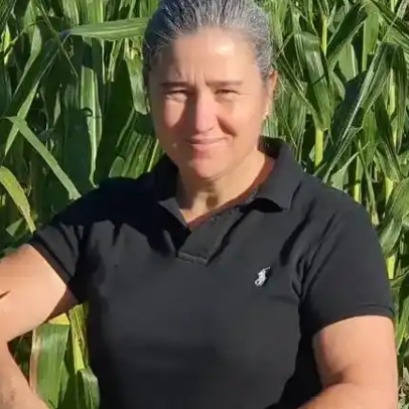
Lorena Elorriaga highlighted that her management will seek to strengthen institutional functioning and the link with professionals and organizations of the Province Agricultural engineer Lorena Elorriaga recently took over as president of the College of Agricultural and Forestry Engineers of the Province of Buenos Aires, becoming the first woman to hold that position since the creation of the institution.
During a radio interview, on the Ecos Agro program, he explained that the school is relatively young, since it was created in 2019 after the enactment of Law 15,030, after years of efforts by professionals in the sector who sought to have their own entity to represent them. "The school is barely seven years old. Before, agronomists and forestry engineers were within another institution that brought together different engineering, but finally the creation of our own school was achieved," Elorriaga explained that the structure of the school is divided into four regions: north, center, southeast and south. The regional authorities are elected by assembly and then, among them, the provincial presidency is defined. Within this framework, she pointed out that in addition to presiding over the Southern Region (to which Necochea belongs) she currently also holds the provincial presidency. The leader stressed that the institution has an administrative structure and work commissions that address specific issues linked to professional activity. We have commissions that work on issues such as professional fees, responsible agronomic practices and education, made up of colleagues who contribute their experience to solve problems in the sector, he indicated.Management objectivesAmong the main objectives of the new institutional stage, Elorriaga highlighted the need to consolidate the internal functioning of the school and unify work criteria between the different regions of the province.The first major objective is to consolidate ourselves as a school, establish clear operating processes and that any enrollee, no matter where in the province they are, can easily access answers and support, he stated.In that sense, he explained that the growth of the institution also involves resolving administrative situations that arise along the way, such as updating databases with provincial organizations or coordination with ministries and universities. One of the particularities of the school is that it has eleven types of professional registration, adapted to the different activities that agricultural and forestry engineers can carry out. For example, recently graduated professionals can access free registration during their first two years, which allows them to legally practice the profession while defining their job placement. The legal exercise of the profession requires being registered, as is the case with doctors, lawyers or veterinarians. That is why we seek to facilitate the start of young professionals, he noted. Finally, Elorriaga highlighted the importance of strengthening the link between the school, professionals and public and private institutions linked to the productive sector of the province.