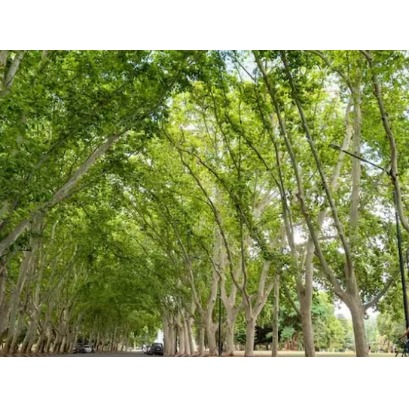
Five Argentine cities, recognized by the UN for the care of their trees
The Tree Cities of the World program distinguishes municipalities that manage trees with international standards. Every year Argentina adds more cities to this global network. Five Argentine cities are already part of an international network that rewards municipalities with the best urban tree policies. It recognizes municipalities that manage trees with international standards. Every year Argentina adds more cities to this global network.
The initiative evaluates specific standards: planning, maintenance, allocated budget and community awareness programs. In recent editions, different municipalities in the country managed to position themselves within this global network that promotes greener and more sustainable cities. The Argentine cities that received the recognition The list of distinguished Argentine cities reflects a growing trend: urban trees are already public policy in several municipalities in the country. Buenos Aires and Mendoza lead the incorporations as large urban centers with consolidated management programs forestry.Posadas, Luján and Mercedes complete the group of recognized localities. Mercedes won the award for the second consecutive year. This consecutive recognition for Mercedes reflects an environmental policy sustained over time, something that the program especially values. All municipalities had to meet five criteria: specific regulations, tree inventory, budget, formal management and active citizen participation. A network with more than 200 cities around the world. The program is not exclusive to any region. It brings together more than 200 cities on five continents, from metropolises to intermediate municipalities. New York and San Francisco represent North America among the cities that meet the required standards. In Europe, Milan and Alcalá de Henares - Spain - integrate the network with tree programs recognized at a continental level. The southern hemisphere also has its place: Adelaide and Queenstown - in Australia and New Zealand - are part of the program. The geographical diversity shows that the Tree management transcends the climate and size of cities: it is a political decision rather than a natural condition. Why urban trees are key infrastructure Trees in cities are not just landscape. They are, above all, environmental infrastructure in the face of climate change. Their first benefit is thermal: trees reduce urban temperature and mitigate the heat island effect that large cities suffer in summer. They also filter the air. An adult tree absorbs pollutants and improves air quality in its immediate radius, with a direct impact on respiratory health. In addition, trees act as a water sponge: absorbing rainwater, reducing flooding and recharging groundwater tables. In social terms, wooded environments reduce stress and improve the mental health of residents, according to multiple urban studies. Argentinas presence in this program marks progress in the local environmental agenda and greater articulation with international standards of urban sustainability.