The worlds forests are becoming more uniform and thats a problem, scientists say
A large-scale global study suggests forests are shifting toward a few types of fast-growing trees, displacing slower-growing native species and weakening biodiversity and carbon storage.
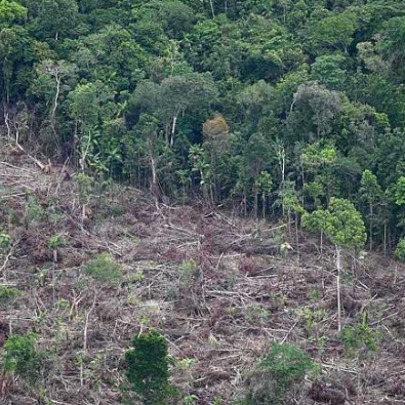
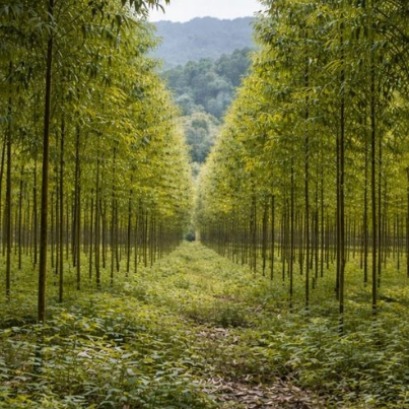
Even though trees take decades to mature, scientists warn that specimens within forests are changing rapidly, and not necessarily for the better. A major international study by Aarhus University in Denmark analyzed more than 31,000 tree species and found that forests are becoming more uniform. Winners tend to be fast-growing, opportunistic trees, while slower, long-lived species (those that help stabilize ecosystems) are more likely to disappear.Sprinters take the leadResearchers say forests increasingly favor trees that grow quickly and spread easily. They tend to be fast-growing and agile: lighter leaves, softer wood and faster growth. This combination allows them to expand rapidly when a forest suffers damage. Jens-Christian Svenning, lead author of the study, said the pattern is most worrying in the tropics and subtropics, places where biodiversity is already very abundant and where the loss of specialized species leaves a real void. We are talking about highly unique species, where biodiversity is high and ecosystems are closely interconnected, he explained. When specialized native species disappear, they leave gaps in ecosystems that exotic species rarely see. fill, even if those species grow quickly and are highly dispersive, he says. The study also highlights the growing role of naturalized (non-native) tree species: trees that did not evolve in a region, but now grow wild there. Many share the same sprinter characteristics and can thrive in altered environments, even if they dont fully replace whats been lost. Backbone trees at risk Scientists believe the trees most at risk are slow-growing specialists: densely wooded, thick-leafed, long-lived species that grow best in stable conditions, particularly moist tropical forests. They form the backbone of forest ecosystems, contributing to stability, carbon storage and resilience to change, Svenning said. And although crops While fast-growing forests may seem like a victory on paper (greener, faster), researchers warn they may be more vulnerable to droughts, storms, pests and climate crises, which could make forests less reliable for storing carbon in the long term. Whats driving it? The team says its the usual drivers: climate change, deforestation, intensive forestry, logging and the global trade in tree species. And since fast-growing trees are often promoted for their wood or biomass, the pressure is building in their favor.