Swedens natural forests store 83% more carbon than managed forests
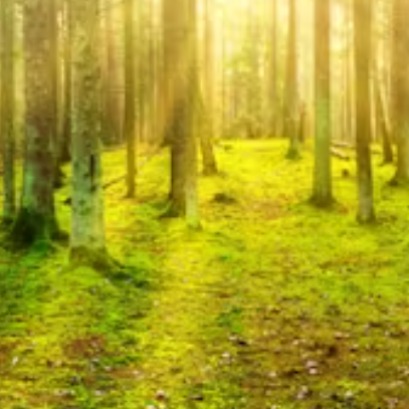
Most of Europes original natural forests have been converted for agriculture and converted into managed forests that produce energy, paper and wood. The few primary forests that remain are vestiges of the past that illustrate what they would have been like if human management had not existed and how this has altered them.
The majority of Swedish forests are so-called boreal forests. This type of coniferous forest ecosystem covers most of the northern regions of the planet. These relatively cold areas have historically had sparse populations. There, large-scale use of forests began relatively late. In Sweden, modern forest management emerged in the 20th century. It consists of felling most of the trees in an area – clear felling – and then planting and sowing new trees, and clearing and thinning until the trees are felled again up to 120 years later. The ground is also altered. Plowing and digging ditches and ditches to remove water is very common. After mapping and monitoring Swedens most natural old-growth forests, we found that they differ much more from managed forests than previously thought, even though some of these managed forests look old. We found that old-growth forests store 78% to 89% more carbon than managed forests, a difference greater than Swedens cumulative emissions from burning fossil fuels since 1834. Our new study highlights that the carbon storage benefits from protecting forests are far greater than those gained from using them to produce bioenergy and wood products. Eight years ago we began mapping the most natural low-lying ancient forests across the country. We excluded remnants of old-growth forests located in areas less attractive for agriculture and forest management, because these tend to be slow-growing montane forests and store less carbon than in larger landscapes used for timber production. We then spent three years collecting samples and measuring the carbon content of old-growth forests and their soils, and compared this to that of managed forests. We use Swedens extensive National Forest Inventory to estimate carbon storage in managed forests so we can compare them with natural ones. Managed forests are losing carbon We found a huge difference. Swedens primary boreal forests store 87% more carbon in trees, 334% more in dead wood and 68% more in soils than managed forests. In total, this represents 83% more carbon than those managed. Most of this carbon is stored in soils. Primary forests store as much carbon in their soils as managed forests in trees, dead wood and soils combined. Our comparison methods between primary and managed forests show the sum of the total carbon accumulated in forests over time. This means that differences may be due to carbon loss in managed forests or greater carbon uptake in primary forests. We also took into account how wood taken from managed forests was used in the form of wood products (for example, to build a house), which could prevent it from reaching the atmosphere and contributing to climate change for decades to come. In Sweden, around half of the felled wood (or biomass) is burned for heating and electricity production, around 25% is used for paper and only about 25% ends up in products with a relatively long lifespan, such as houses, where they can provide considerable storage over time. Including carbon from all of these products, primary forests still stored about 70% more carbon than managed forests. In fact, there is more carbon in dead wood from primary forests than in these wood products and in dead wood from managed forests together. Loss of primary forestsCarbon losses from forest management in Sweden are much larger than previously estimated. The difference in carbon storage between primary and managed forests (including logged wood products) is equivalent to 1.5 times all of Swedens fossil fuel emissions since 1834, or 220 years of emissions at current levels. Of course, if wood products had not been used, other materials would have been used instead, some of which could be high carbon intensity (such as steel). This makes it difficult to estimate the global effect on greenhouse gases. However, today there are numerous non-timber alternatives for heating and electricity (heat pumps, solar and wind power, for example). There are also vast areas of natural forests where the largest trees were felled many decades or even a century ago, and these are likely to be in a state much closer to that of an intact ancient forest than that of an average managed forest. Protecting these forests will therefore allow a carbon sink to be recovered as large trees regrow, and will prevent soil carbon losses from management. The ongoing loss of these primary forests in Sweden is five to seven times faster than that of the Brazilian Amazon rainforest. EU regulations currently protect all remaining primeval forests in Europe, but their definition is left to member countries. In Sweden, the proposed definition is based solely on the age of the trees. This consideration does not have a solid scientific basis and sets a very high threshold: 180 years in the north of the country and 160 years in the south. These definitions proposed by Sweden have been widely criticized by conservation organizations for undermining the ambition of the EU Nature Restoration Regulation to protect all remaining primary forests. If the proposed definition is maintained, hardly any of the remaining unprotected primary forests will be protected and logging is likely to continue. Protecting and restoring primary forests for carbon storage and biodiversity benefits can contribute significantly to limiting climate change in countries like Sweden and globally.