Native forest | In Misiones, controls are tightened on routes for illegal transport of native wood, logging of forests without permits and fraudulent digital guides
Informality in forestry activity in Misiones was once again evident, the culture of operating illegally is a historical problem, and the Ministry of Ecology and Renewable Natural Resources carries out the corresponding control and inspection operations in the regulation of productive activity and sustainable management for the use of native forests.
A technical report from the organization entitled The other side of forestry activity: infractions that put native forests at risk - released on Sunday - warns that maneuvers are repeatedly detected to evade controls, conceal illegal logging and transport native wood without authorization. According to the press report, one of the most frequent practices is hiding rolls of native species between loads of pine or eucalyptus, coming from plantations and which do not require mandatory documentation. These species do not require documentation for their transport, which is why some transporters use them as cover to transport native wood that lacks authorization, thus trying to avoid inspection on provincial routes. This maneuver, widely detected in operations on routes, affects the traceability of the forest resource and makes it difficult to identify the real origin of the wood, the agency said. After complaints of illegal felling, they reinforce controls on forest transport on routesMisiones has more than 1.5 million hectares of native forests, part of the last relicts of the Paranaense Forest or Atlantic Forest, shared with Brazil and Paraguay. For this reason, Ecology carries out permanent operations on routes, inspections in forestry establishments and controls in protected areas to prevent illegal extraction and guarantee the sustainable use of the resource. The inspection work includes both transportation and exploitation on private properties, where there are management plans or permits to change land use approved by the General Directorate of Forests. Among the recurring irregularities are hidden loads, guides adulterated and false declarations: Illegal transport camouflaged Loads of pine or eucalyptus are used as cover to transport native wood without authorization or a forest guide, taking advantage of the fact that the implanted species do not require documentation to circulate. control, destacan desde Ecología, ya que impiden determinar origen, especies y volúmenes extraídos con precisión.Para enfrentar estas maniobras, el organismo fortaleció los controles móviles, que permiten verificar documentación en tiempo real, y complementa cada intervención con análisis administrativos posteriores.Cuando la infracción se comprueba, las sanciones incluyen multas, suspensión de autorizaciones y baja de los registros oficiales.Apeo ilegal y extracciones fuera de los planes autorizadosLa inspección también alcanza los predios con Planes de Manejo o permisos de Cambio de Uso del Suelo. In these cases, forestry inspectors go to the field to verify that the activities carried out comply with what was approved in each plan. There it is verified which species are being harvested, in what quantity, in which sectors of the property and under what modality of intervention. From these inspections, situations were detected in which volumes greater than those authorized were extracted, species not contemplated in the approved plans were harvested or the original conditions established in the authorizations were modified. Added to this are cases of logging outside the authorized area, an infraction considered very serious, since it implies direct intervention on lots or parcels that were not environmentally evaluated or included in the granted permits. In parallel, an exhaustive administrative and technical review work is carried out on the files corresponding to the Sustainable Management Plans and Land Use Change Plans that are in process or execution. This analysis is carried out in-cabinet and is complemented with information obtained from satellite images, use of drones and digital forest management systems. In these cases, the violations found are related to: * Extraction of volumes greater than those authorized. * Use of species not contemplated. * Modification of conditions established in the permits. forestry activities within zones categorized as red and yellow, areas with high conservation value where intervention is restricted or directly prohibited. Damage was also recorded in: • Watercourse protection strips • Protective forests • Buffer zones that protect biodiversity and ecosystem services On the other hand, they indicated that technology makes it possible to combat illegality: satellites, drones and digital systems are used to detect clearings. The strengthening of inspection is supported by new satellite image technology, which makes it possible to detect changes in tree cover and verify clearings; drones, to inspect areas that are difficult to access and shorten response times and digital forest management systems, which facilitate file tracking and traceability. A priority public policy The environmental agency in charge of Minister Martín Recamán highlights in its report that forest control is considered a strategic public policy. It not only protects the environment, but protects producers who work within the law, guaranteeing fair and sustainable competition, they say. In a province with one of the greatest biological riches in the country, each inspection, operation and revised file is part of a conservation strategy that seeks to ensure that future generations can continue enjoying a unique natural heritage and based on sustainable forestry activity with the legal and responsible use of the native forests of Misiones. This comprehensive approach has an objective that goes beyond the sanction: to prevent, regulate forestry activity, protect producers who comply with the law and ensure fair and sustainable conditions of competition.
IT MAY INTEREST YOU
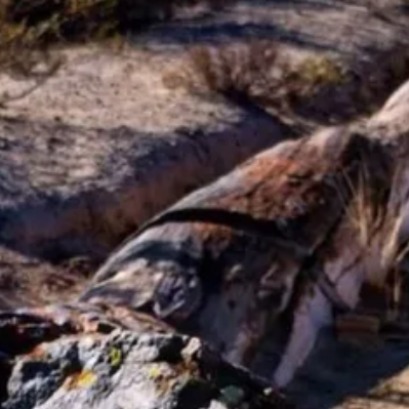 The forest of the oldest shadows: the story of the petrified trees
One of the natural treasures of Río Negro turns 23 years old under the protection law that allows its conservation. Where it is and how it was formed. Río Negro celebrates 23 years of conservation in the petrified forest as a Protected Natural Area (ANP). It is a space of 625 hectares that protects an exceptional site of fossil trunks that date back more than 60 million years.
 Canadian researchers make biochar from wood waste that rivals steel in strength
Researchers at the University of Toronto have developed monolithic biochar from wood that can reach an axial hardness of up to 2.25 GPa, similar to mild steel.
 Missions | New illegal felling in the Piñalito Provincial Park in San Pedro reveals the silent expansion of deforestation in protected areas
The advance of deforestation on protected areas was once again evident this week in the Piñalito Sur Provincial Park, in San Pedro, where the Ministry of Ecology and Renewable Natural Resources confirmed a new case of selective illegal logging. The event occurs in a context of growing concern about the fragility of the environmental control system in rural and border areas, where the scarcity of resources, personnel and logistics limits the capacity of surveillance against criminal organizations organized to steal native woods and market them on the black market in connivance with sawmill owners.