He is the most resistant wood producer in the world and grows in Argentina: he knows the tree that surprises with its properties
? In the north, one of the oldest and most resistant trees on the planet survives. ? Its name is Guayacán and has medicinal properties, in addition to an amazing wood.
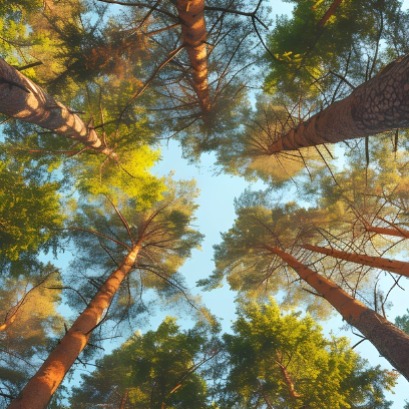
? In the depth of Mount Chaqueño, where the earth is dry and the sun does not give a truce, a legendary tree grows silent and powerful: the guayacán. His robust appearance and slow growth made him one of the greatest botanical treasures in South America. And although many do not know, this tree has the most resistant wood in the world, valued both by its hardness and its beauty ? For centuries, the Guayacán was part of the landscape and the life of the communities of the North Argentina. Not only does it offer shadow and shelter to different species of the ecosystem, but it was also used for its healing and constructive properties, going from generation to generation as an invaluable natural resource. Today, this native tree arouses a renewed interest not only between scientists and carpenters, but also among those who seek to connect with ancestral knowledge and protect the natural resources of the country. known as Bulnesia Sarmientoi) is a species capable of resist the most extreme conditions of the soil and climate, which already makes it a rarity. But what really distinguishes it is its high density wood, so heavy that it sinks into the water, something unusual between the trees, according to an article from the Republic of Peru. At first glance, its wood presents tones that range from dark brown to green, with veins that give it a unique aesthetic. His growth is slow, which also contributes to its strength. Some specimens can live decades and even centuries, becoming living witnesses of local time and culture. Therefore, it is not surprising that it is a protected and valued tree in various regions of Latin America. Beyond the wood: medicinal uses of the guayacánade more of its use in luxury cabinetmaking and the manufacture of objects resistant to the passage of time, the Guayacán also stands out for its medicinal properties. In traditional medicine, its cooked cortex was used to treat rheumatisms, wounds and even diabetes. The flowers, on the other hand, are usually used in infusions to relieve cough, according to the aforementioned source. I even even gives rise to Guayacol, an extract that functions as an antiseptic, expectorant and stimulating, historically used in the treatment of respiratory diseases. Mexico, Colombia, Ecuador, Peru and Venezuela. In Argentina, it grows especially in the north and northwest provinces, especially in the semi -arid Chaco, where the native mountain still retains its natural wealth.
IT MAY INTEREST YOU
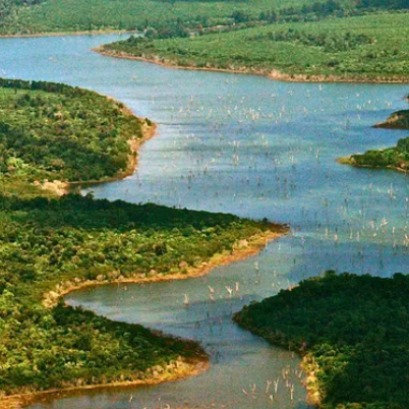 The second largest wetland in South America is located in Argentina: what is it?
Argentina has national parks that place it in a unique position within South America, competing with 300 others. Which is the largest? South America is home to more than 300 national parks, but many go unnoticed. There are extensive wetlands that have been the subject of major ecological restoration projects, to coastal mountains with deep indigenous heritage. Today we tell you the case of one located in Argentina.
 Missions | New illegal felling in the Piñalito Provincial Park in San Pedro reveals the silent expansion of deforestation in protected areas
The advance of deforestation on protected areas was once again evident this week in the Piñalito Sur Provincial Park, in San Pedro, where the Ministry of Ecology and Renewable Natural Resources confirmed a new case of selective illegal logging. The event occurs in a context of growing concern about the fragility of the environmental control system in rural and border areas, where the scarcity of resources, personnel and logistics limits the capacity of surveillance against criminal organizations organized to steal native woods and market them on the black market in connivance with sawmill owners.
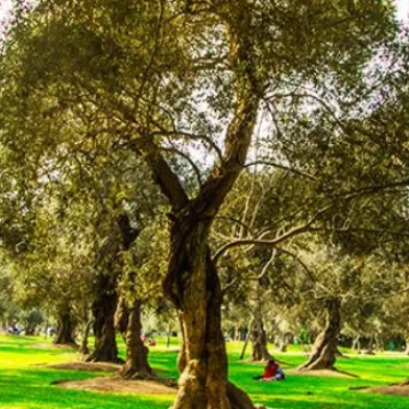 The city in South America that breathes thanks to a thousand olive trees planted in the 17th century
In the heart of South America there is a city that, among the noise and concrete, still breathes thanks to an olive forest