Corrientes was the headquarters of the 147th Madero Congress of Faima: focus on exports, European regulations and economic perspectives
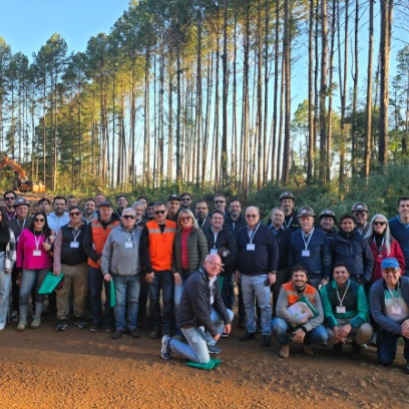
The town of Viroso, in Corrientes and Epicenter of the Forest-Industrial Pole in the region, was the headquarters of the 147th Madero Congress of the Argentine Federation of the wood and related industry (Faima), which took place on July 3 and 4. The meeting convened the entire forest value chain in the country, with the aim of analyzing the current economic context, the new demands of the European market and the growth opportunities for SMEs in the sector.
It was an analysis edition in Congress, with territory activities, industrial visits, technical panels and spaces for strategic dialogue. We are committed to strengthening companies with tools to grow in a sector that can motorize the national economy, said Mercedes Omeñuka, president of Faima. The Argentine forest industry is supplied in 95% wood from plantations, with more than 1.3 million hectares, of which more than 50% are certified under international standards of sustainable management. This productive model, which integrates 13,000 producers. And more than 6,000 companies, represents a tool for sustainable development, employment creation and climate change mitigation. From our first congress we know that this space is highly anticipated throughout the chain. Today the world recognizes wood as a solution based on nature, fundamental for decarbonization and promotion of a more sustainable economy. Our role as entrepreneurs does not end in the factory: we are employment promoters, country brand, and active actors in associations that seek to release the potential of our industry, added Omeñuka. The Maderero de Faima Congress is projected as a reference event for the sector, combining training, political-economic analysis, innovation and sustainability, with a federal look that seeks to reactivate regional economies and expand regional economies and expand the possibilities of the market external.
IT MAY INTEREST YOU
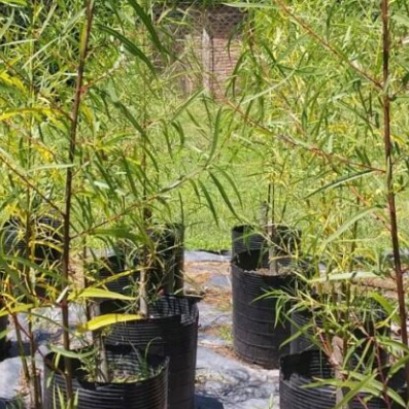 INTA Delta begins propagation of seven Creole willow clones for ecological restoration in Paraná
As a result of the rescue, domestication and registration work carried out by Teresa Cerrillo, a leading researcher in Salix Genetic Improvement, within the framework of the National Genetic and Forest Resources Programs of INTA, the multiplication and propagation of seven clones of Creole willow (Salix humboldtiana) began recently registered in the National Seed Institute (INASE) by INTA Delta del Paraná.
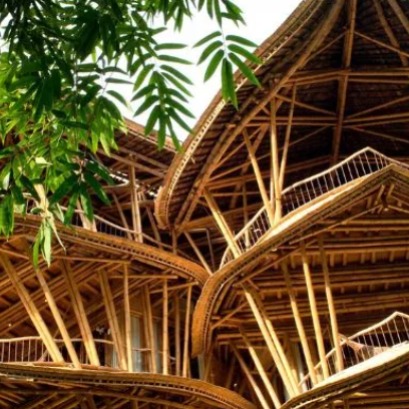 The South American country that changes construction thanks to an ancient, mega-resistant material: more than steel
This material that grows in South America creates the most resistant constructions and radically changes the world of architecture One particular building material has been used for millennia by various cultures in South America. This is due to its structural resistance that allows the creation of homes, bridges and shelters. Its archaeological presence shows that it was one of the most valued construction resources in seismic and humid areas.
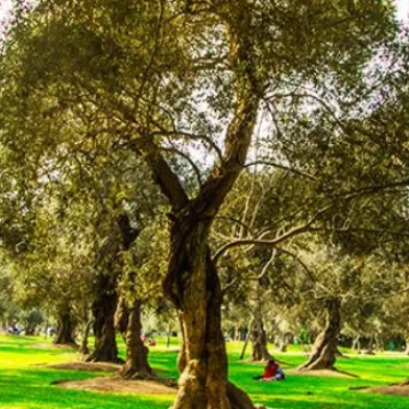 The city in South America that breathes thanks to a thousand olive trees planted in the 17th century
In the heart of South America there is a city that, among the noise and concrete, still breathes thanks to an olive forest