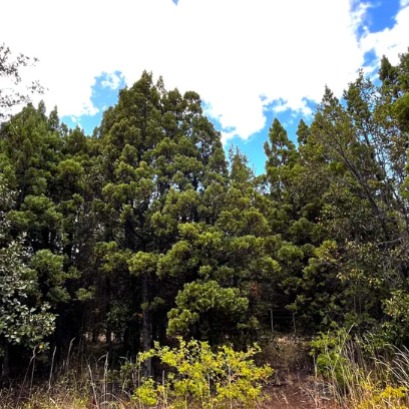
The silent, but vital work of dead wood in the forests of Patagonia
Dead wood, far from being waste, is vital in Patagonian forests. It favors regeneration, fertilizes soil and refuge fauna, according to Lanín Park. Your key role after fires
Far from being a simple waste, dead wood plays a fundamental and active role in the health and regeneration of Andean-Patagonic forests, as recently stood out from Lanín National Park. Fallen branches, stumps and trunks, both standing and demolished, are essential components for the natural functioning of these ecosystems. In forests, dead wood favors regeneration because when decomposing collaborates with soil fertility and improves water retention, they explained from the intention of the Lanín National Park. This natural process creates the optimal conditions so that new plants can grow, facilitating the life cycle of the life of the life of the life of the life of the life of the life Forest. In addition to its contribution to the ground, dead wood becomes a valuable refuge for a diversity of species. Since the role of that dead wood in the recovery of the forest is very important, since it will contribute nutrients to the burned soil and allow life to slowly return. Biodiversity, volcanoes, plains, mountains and lakes, connected by circuits and trails, including the emblematic Andean Footprint.
IT MAY INTEREST YOU
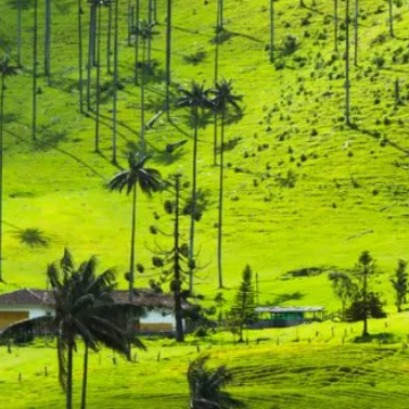 The tallest palm tree in the world is in South America: it is the height of a 20-story building
The worlds tallest palm tree stands deep in South America, a giant that challenges the limits of plant life Deep in South America, between the fog and the mountains, hides a giant tree that few know about. Majestic and silent, challenging the world on what plant life can achieve.
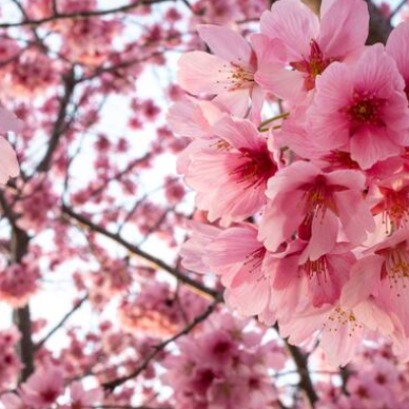 Color the streets pink and white in spring: which is the most beautiful tree in the world and why, according to AI
Its delicate branches, the soft tones of its petals and the harmonious shape of the tree make it an almost poetic image.
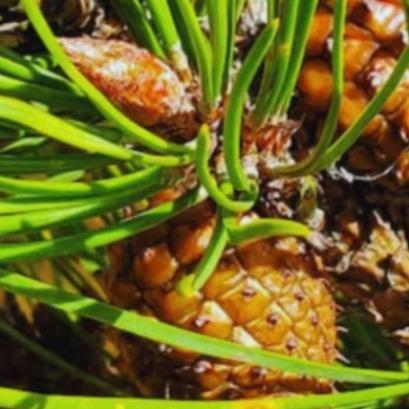 The DNA of forests: they discover what makes a tree resist drought
An international team, with the participation of INTA and Conicet, discovered that genetics can be decisive for trees to better resist droughts