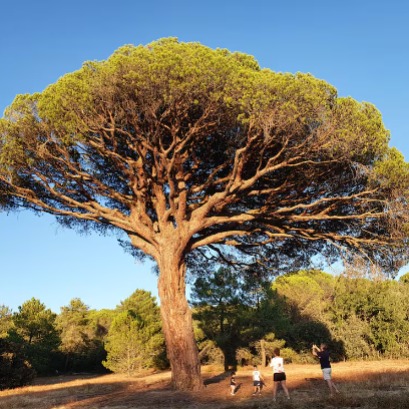
The only animal in the world that plant millions of trees every year and is vital for the conservation of nature
They play a crucial role in the conservation of forest ecosystems Nature is full of wonders and surprising processes that often go unnoticed. One of these phenomena is the ability of a small animal to plant millions of trees every year, playing a crucial role in the conservation of forest ecosystems.
The squirrels, those small mammals that we commonly see in parks and forests, have a much greater impact on the environment than we could imagine. During the fall, the squirrels are dedicated to collecting and storing nuts and seeds for winter. This behavior, known as Cacheo, implies burying these foods in various places to make sure you have enough provisions during the cold months. However, not all seeds and buried nuts are recovered by squirrels. Many of them are forgotten and, over time, germinate and become new trees. This involuntary plantation process is essential for forest regeneration and the expansion of green areas. The impact of squirrels on forest ecosystems is significant. When inadvertently planting thousands of trees, these creatures help maintain the diversity and vitality of forests. The new trees provide habitats for a variety of animal species and contribute to soil stability, preventing erosion. In addition, trees play a crucial role in the regulation of the local climate. They absorb carbon dioxide and release oxygen, improving air quality. They also help maintain soil moisture and regulate the water cycle, which is essential for the health of forest ecosystems. Tree plantation by squirrels not only benefits forests, but also has a positive impact on biodiversity. The new trees provide refuge and food for a wide range of species, from insects to birds and mammals. This increase in biodiversity strengthens ecosystems, making them more resilient against environmental changes and natural disasters. In addition, trees planted by squirrels can help connect forest fragments, creating ecological corridors that allow species to move freely and expand their territories. These runners are essential for the survival of many species, especially those that require large areas of habitat to prosper.
IT MAY INTEREST YOU
 They present the Elárbol project in the Ecology Cycle
The transmedia initiative reflects the importance of Argentine native flora and focuses on the carob tree as an emblem tree. Today, at 6: p.m., at the Argentine Library This Thursday, October 3, at 6 p.m., the Elárbol project is presented in the Ecology Cycle coordinated by Sergio Rinaldi at the Argentine Library.
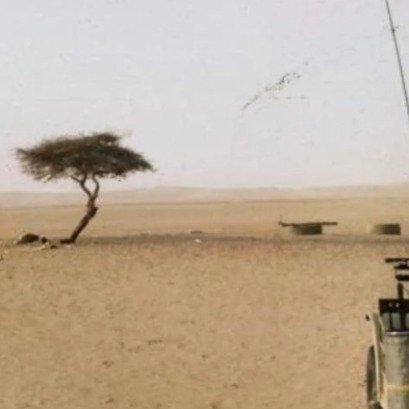 The only tree in the middle of the Sahara desert that was vital for commercial and military routes
The Ténéré Tree, a solitary acacia in the Sahara desert, became for centuries a beacon of life and reference for travelers In the vast Sahara desert, where aridity and silence dominate the landscape, there was a tree that stood alone, being a beacon of life and hope for travelers.
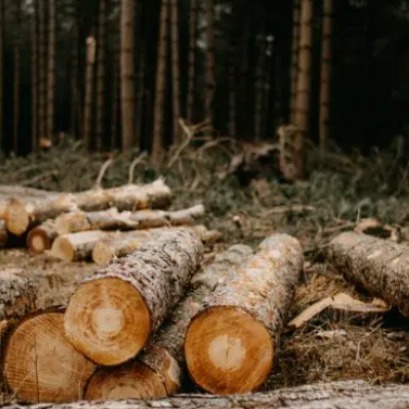 Unprecedented Forest Crisis: with 8.1 million hectares destroyed, the goal of zero deforestation is in danger
A new report warns that the planet is experiencing an unprecedented forest crisis. In 224, forests suffered large-scale destruction with a permanent loss of almost 8.1 million hectares worldwide.