Neuquén: The town that has a hand -planted entire forest and a tree over 1200 years
Known as the Garden of the Province, this Neuquino people resurfaced from the population exodus thanks to the idea of ??one of its inhabitants: that each of them raises a tree.
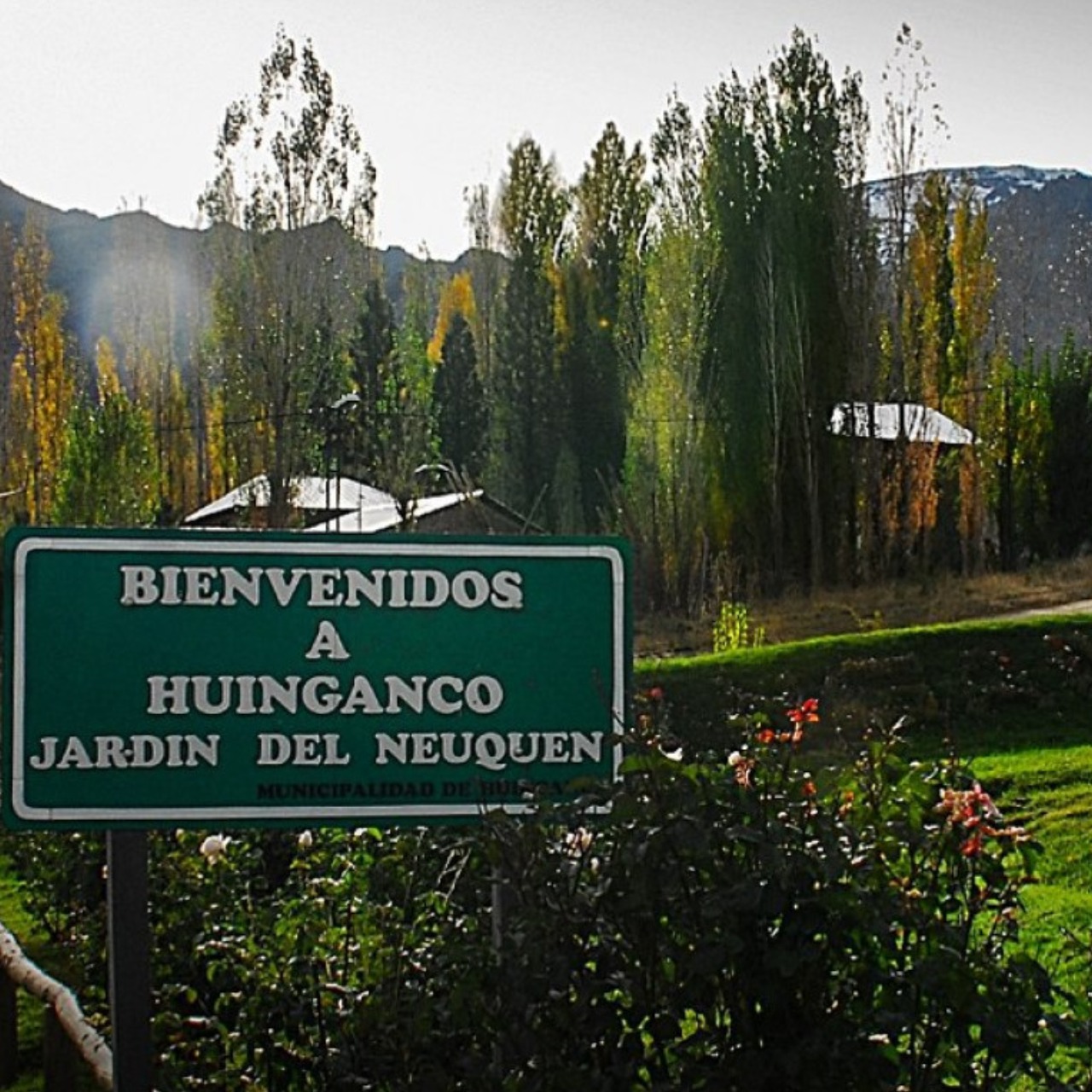
Trees are a fundamental part of improving the health of the environment, since they not only help clean the air, but also to prevent floods and give home to different species of animals. Such is its importance that the inhabitants of the Neuquina town of Huinganco planted by hand an entire forest and even have a museum with a tree over 1,200 years. It is about the Museum of the Tree and Wood, a provincial nursery that has a cypress 1,200 seniority, which served to create a space where the longest -lived specimen of the window of the wind can be exposed, in addition to other petrified trunks and different native species. Province of its visitors with a striking poster that gives way to the enchanted valley and a boulevard that invites you to know the history of the place. To get there, the provincial route No. 43 and the national routes No. 22 and 40, with sense to the north, where they will be waiting for about 1,100 inhabitants who have a great sense of belonging and desire to be visited on more than one occasion. This sense of belonging intensified during the 60s, a period in which an important population exodus was experienced that exposed the need to create work sources. However, the community did not surrender to the fall in mining exploitation and the production of cattle that caused the bulk of settlers to go from the city. It was then that Temístocles Figueroa, and his son Rogelio, began to look Community in which all the inhabitants contributed their grain of sand. In principle there were only six men who began this task, a number that then amounted to 80 and later to 160, all in order to continue the coniferous plantation, as well as the recovery of native species and the reactivation of the economy of the town. This activity became so important that the production was increasing, to the point that they reached the 3,700 hectares cultivated, which led them to become the first communal forest in the country. Even, an average of 2,000 trees planted by each worker were reached, which helped and cared for the plantations of their classmates. Over the years, these pines gave the necessary raw material to give rise to new jobs in carpentry and sawmills, not to mention the fruits crops that managed to open a factory of artisanal sweets.
IT MAY INTEREST YOU
 Reforestation advances in the Historic Sanctuary of Machu Picchu with new restored hectares
The plan includes the planting of a thousand new trees in the sanctuary, in response to the damage caused by forest fires and environmental threats, with the support of local authorities and representatives of the tourism sector.
 Native forest | In Misiones, controls are tightened on routes for illegal transport of native wood, logging of forests without permits and fraudulent digital guides
Informality in forestry activity in Misiones was once again evident, the culture of operating illegally is a historical problem, and the Ministry of Ecology and Renewable Natural Resources carries out the corresponding control and inspection operations in the regulation of productive activity and sustainable management for the use of native forests.
 The South American country that changes construction thanks to an ancient, mega-resistant material: more than steel
This material that grows in South America creates the most resistant constructions and radically changes the world of architecture One particular building material has been used for millennia by various cultures in South America. This is due to its structural resistance that allows the creation of homes, bridges and shelters. Its archaeological presence shows that it was one of the most valued construction resources in seismic and humid areas.