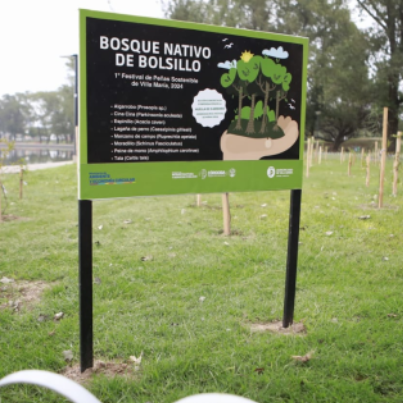
Con el primer bosque de bolsillo, buscan plantar 3000 arboles en Villa Maria
Se inauguro en nuestra ciudad el primer Bosque de Bolsillo en la costanera con mas de 70 ejemplares.
Se encuentra ubicado en el sector del
escenario Vanzetti y se trata de un bosque nativo que tiene por objetivo
recrear un ambiente originario con vegetacion propia de la zona en los espacios
verdes de la ciudad.
Del evento participaron el intendente Eduardo Accastello junto a la
ministra de Ambiente y Economia Circular
de la Provincia, Victoria
Flores.
Ello por haber realizado la presentacion
de “Calculo de Huella de Carbono y
de Expectativas de Reduccion y Compensacion de Emisiones de Gases de Efecto Invernadero”,
en el marco de la ultima edicion del Festival Internacional de Penas.
Al respecto, Accastello dijo: “se plantaran tres mil arboles mas para mejorar las condiciones ambientales de
la ciudad. Seguiremos creando nuevos Bosques de Bolsillo en distintos puntos
para tener una Villa Maria mas verde y generar conciencia social”.
Mientras, que Victoria Flores agrego: “este espacio es el fruto del trabajo
conjunto entre provincia y municipio para realizar eventos sustentables.
Mientras, que Victoria Flores agrego: “este espacio es el fruto del trabajo
conjunto entre provincia y municipio para realizar

IT MAY INTEREST YOU
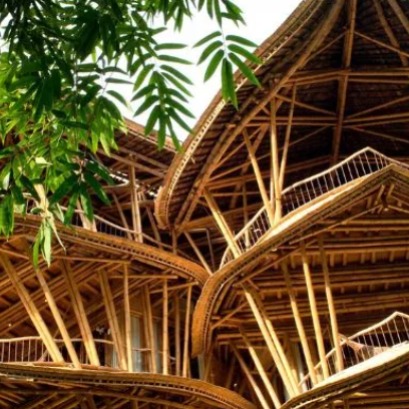 The South American country that changes construction thanks to an ancient, mega-resistant material: more than steel
This material that grows in South America creates the most resistant constructions and radically changes the world of architecture One particular building material has been used for millennia by various cultures in South America. This is due to its structural resistance that allows the creation of homes, bridges and shelters. Its archaeological presence shows that it was one of the most valued construction resources in seismic and humid areas.
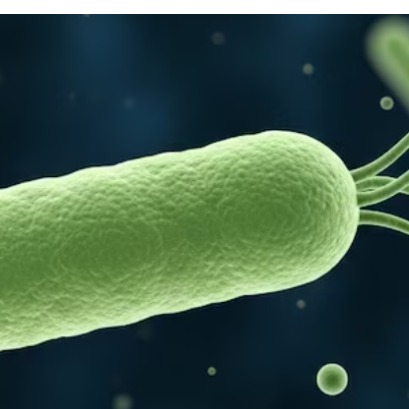 The discovery of methane-producing bacteria in trees rethinks the ecological role of forests
Pioneering study shows trees surprising internal microbial diversity and potential influence on global climate, driving novel strategies for agricultural and forestry management
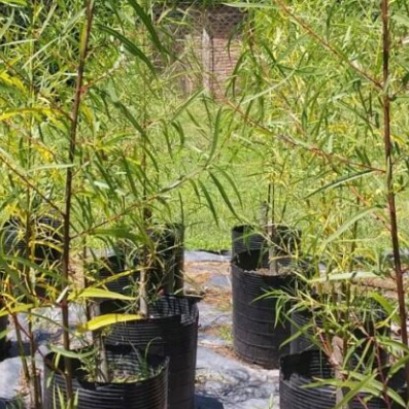 INTA Delta begins propagation of seven Creole willow clones for ecological restoration in Paraná
As a result of the rescue, domestication and registration work carried out by Teresa Cerrillo, a leading researcher in Salix Genetic Improvement, within the framework of the National Genetic and Forest Resources Programs of INTA, the multiplication and propagation of seven clones of Creole willow (Salix humboldtiana) began recently registered in the National Seed Institute (INASE) by INTA Delta del Paraná.