Amazon deforestation in Brazil fell to historic levels
Currently, the decrease is 50%. The goal is to definitively end logging by 2030.
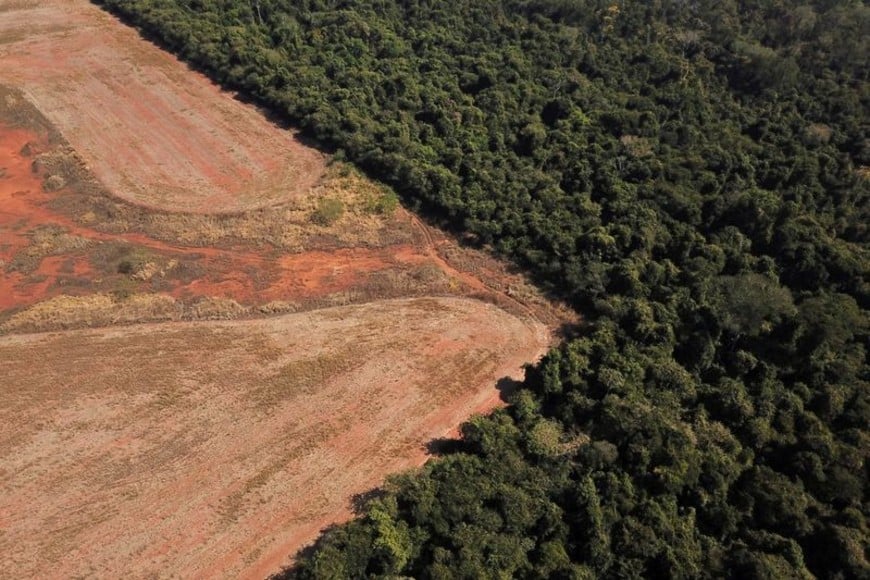
Deforestation in Brazil's Amazon rainforest saw a significant reduction in 2023, falling by half compared to the previous year and reaching its lowest level since 2018, according to government data revealed on Friday. This marks a major victory for President Lula Da Silva in his first year in office.
Lula focused his international reputation on fighting deforestation in the South American country, pledging to end illegal logging by 2030. Under his predecessor, Jair Bolsonaro, destruction in the world's largest rainforest accelerated considerably.
According to preliminary satellite data provided by the space research agency INPE, an area of 5,153 square kilometers in the Amazon was logged in 2023, representing a drop of 49.9 percent compared to 2022.
Although this figure is still considerable, equivalent to more than six times the size of New York City, it highlights the challenges Lula faces in fulfilling his commitment. However, it is the lowest level since 2018, the year before the start of Bolsonaro's mandate.
In December alone, deforestation saw a 23 percent year-on-year decline, reaching 176.8 square kilometers, according to INPE data.
The Environment Ministry attributed these positive results to "decisive" inspection efforts by environmental watchdog Ibama, highlighting a 106 percent increase in the number of infringement notices issued by the agency during the period.
In a statement posted on social media, the ministry said: "This is the first step to achieving the goal of zero deforestation by 2030."

IT MAY INTEREST YOU
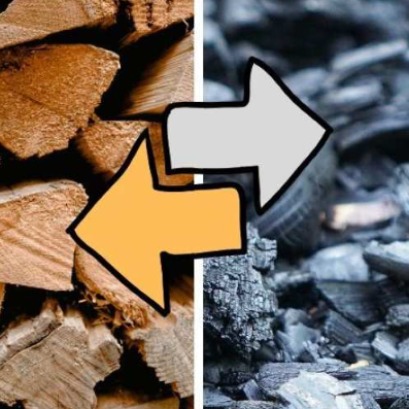 Canadian researchers make biochar from wood waste that rivals steel in strength
Researchers at the University of Toronto have developed monolithic biochar from wood that can reach an axial hardness of up to 2.25 GPa, similar to mild steel.
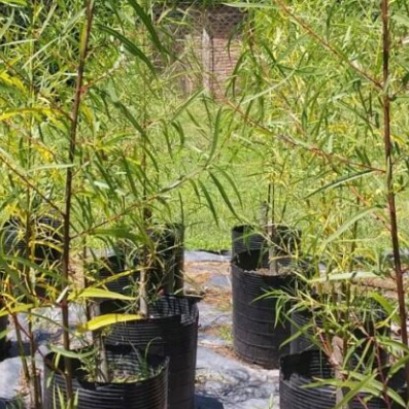 INTA Delta begins propagation of seven Creole willow clones for ecological restoration in Paraná
As a result of the rescue, domestication and registration work carried out by Teresa Cerrillo, a leading researcher in Salix Genetic Improvement, within the framework of the National Genetic and Forest Resources Programs of INTA, the multiplication and propagation of seven clones of Creole willow (Salix humboldtiana) began recently registered in the National Seed Institute (INASE) by INTA Delta del Paraná.
 Nation reinforces prevention and training against forest fires
The director of the Federal Emergency Agency (AFE), Santiago Hardie, referred to the support that the Nation provides in fighting fires. He argued that the majority of igneous sources respond to human interventions and that, therefore, social awareness is a central tool to reduce environmental, material and human damage.