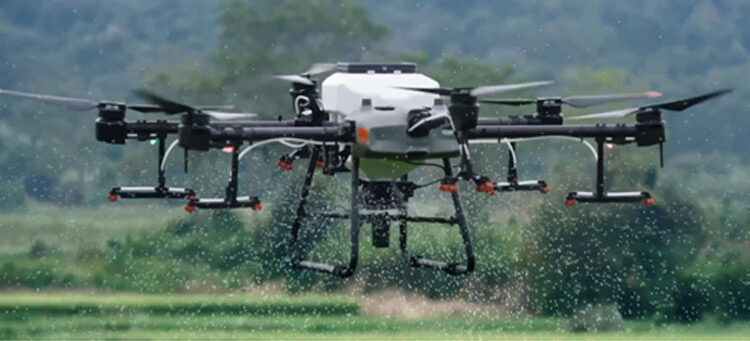
Drones | UAV technology applied to forestry
Reduces occupational risks and increases yields
This type of intervention with drones has the main objective of minimizing the risk of accidents due to falls at the level of workers with back packs, as well as reducing exposure to the use of phytosanitary products, etc. Given the results obtained in Forestal Argentina in the operational tests of the UAV technology, they concluded: "We are facing the future in reforestation."
UAVs, commonly known as drones, have the peculiarity of not having a pilot inside the aircraft, so it is directed by a person or external electronic system, which decides at any time the next step to follow. The pilot's skill, senses and expertise are replaced by highly accurate electronic sensors.

IT MAY INTEREST YOU
 The discovery of methane-producing bacteria in trees rethinks the ecological role of forests
Pioneering study shows trees surprising internal microbial diversity and potential influence on global climate, driving novel strategies for agricultural and forestry management
 Native forest | In Misiones, controls are tightened on routes for illegal transport of native wood, logging of forests without permits and fraudulent digital guides
Informality in forestry activity in Misiones was once again evident, the culture of operating illegally is a historical problem, and the Ministry of Ecology and Renewable Natural Resources carries out the corresponding control and inspection operations in the regulation of productive activity and sustainable management for the use of native forests.
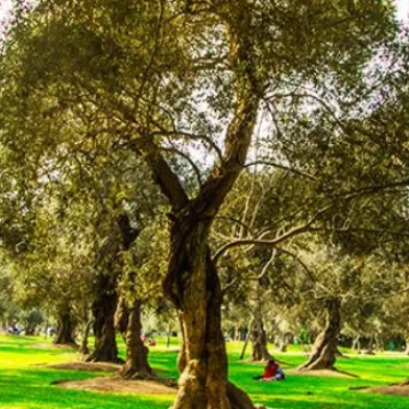 The city in South America that breathes thanks to a thousand olive trees planted in the 17th century
In the heart of South America there is a city that, among the noise and concrete, still breathes thanks to an olive forest