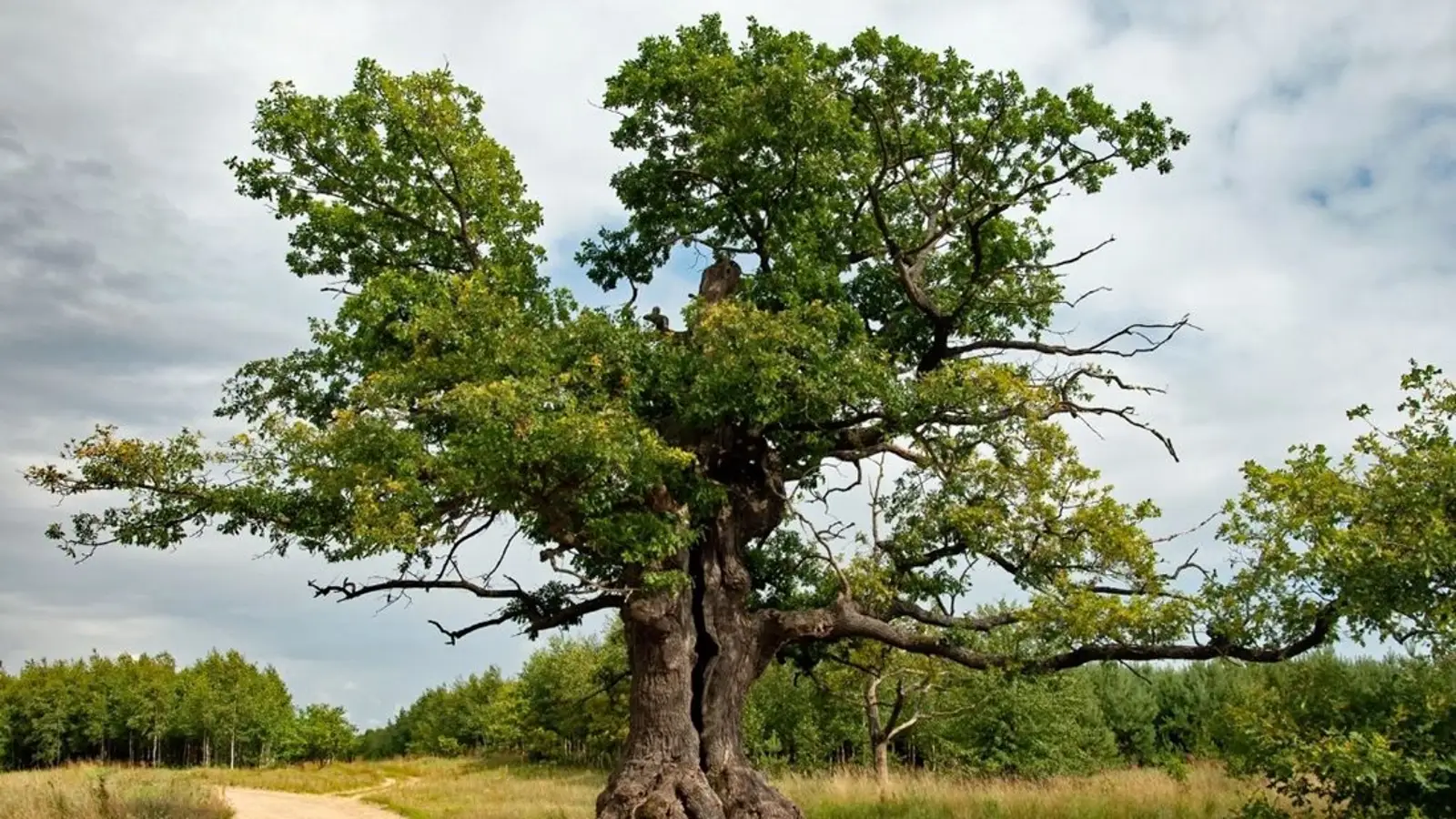
The Dunin Oak, Poland, was chosen as the European Tree of the Year 2022
Known as The Guardian of the Bialowieza Primeval Forest
The Dunin Oak, Poland, was chosen as the European Tree of the Year 2022. It corresponds to the species Quercus robur, it is 400 years old and it is found in the region: Przybudki, Podlaskie province, Poland Known as The Guardian of the Primal Forest of Bialowieza " This oak is growing on the edge of the Białowieża Primeval Forest, one of the most well-known lowland forests not only in Poland but also in Europe.It has been particularly respected and admired by the local population as well as by tourists visiting this area. area of Poland.It is an inspiration for many artists.It amazes in all seasons, during spring, but also when it shows its mysteriously curved, leafless branches.

IT MAY INTEREST YOU
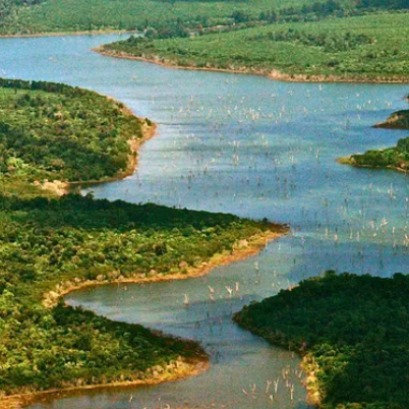 The second largest wetland in South America is located in Argentina: what is it?
Argentina has national parks that place it in a unique position within South America, competing with 300 others. Which is the largest? South America is home to more than 300 national parks, but many go unnoticed. There are extensive wetlands that have been the subject of major ecological restoration projects, to coastal mountains with deep indigenous heritage. Today we tell you the case of one located in Argentina.
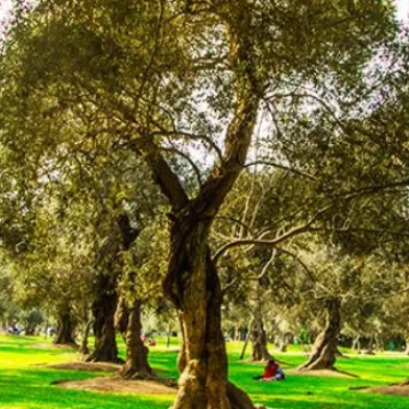 The city in South America that breathes thanks to a thousand olive trees planted in the 17th century
In the heart of South America there is a city that, among the noise and concrete, still breathes thanks to an olive forest
 Missions | New illegal felling in the Piñalito Provincial Park in San Pedro reveals the silent expansion of deforestation in protected areas
The advance of deforestation on protected areas was once again evident this week in the Piñalito Sur Provincial Park, in San Pedro, where the Ministry of Ecology and Renewable Natural Resources confirmed a new case of selective illegal logging. The event occurs in a context of growing concern about the fragility of the environmental control system in rural and border areas, where the scarcity of resources, personnel and logistics limits the capacity of surveillance against criminal organizations organized to steal native woods and market them on the black market in connivance with sawmill owners.