Technological characterization of Eucalyptus clones,
The Master's thesis has been completed and presented
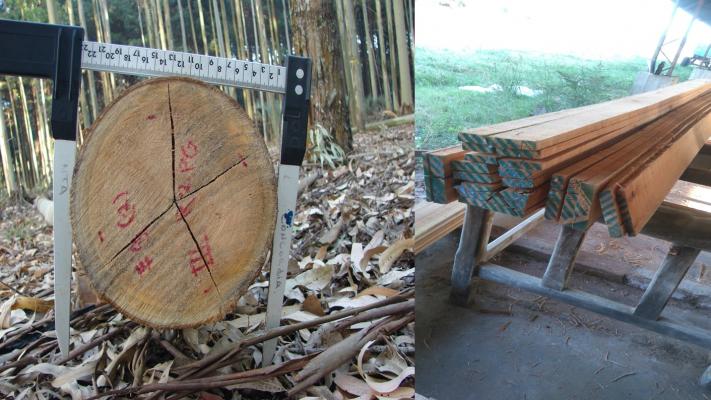
The Master's thesis, developed by Eng. Ftal Martinez Matias, member of the EEA INTA Concordia forestry group, has been completed and presented. It bears the title of "Technological characterization of Eucalyptus clones, where the work consisted of evaluating the physical, mechanical properties and wood defects from hybrid clones, GC INTA 24 and GC INTA 27, which come from the crossing of E grandis x E. camaldulensis and pure clones of E. grandis, EG INTA 157 and EG INTA 36, comparing them with the seminal material of E. grandis, mostly planted in the region. On November 24 at the Faculty of Forest Sciences of the National University of Misiones, this research has been presented, to complete this stage of professional training and opt for the title of Magister in Forest Sciences. This type of study provides knowledge of the suitability of wood for different uses, industrial processes, and an integral use of them, generating products with greater added value.

IT MAY INTEREST YOU
 Color the streets pink and white in spring: which is the most beautiful tree in the world and why, according to AI
Its delicate branches, the soft tones of its petals and the harmonious shape of the tree make it an almost poetic image.
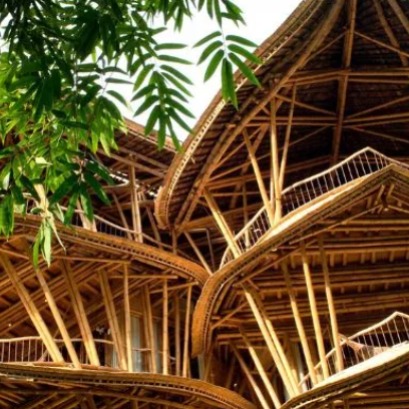 The South American country that changes construction thanks to an ancient, mega-resistant material: more than steel
This material that grows in South America creates the most resistant constructions and radically changes the world of architecture One particular building material has been used for millennia by various cultures in South America. This is due to its structural resistance that allows the creation of homes, bridges and shelters. Its archaeological presence shows that it was one of the most valued construction resources in seismic and humid areas.
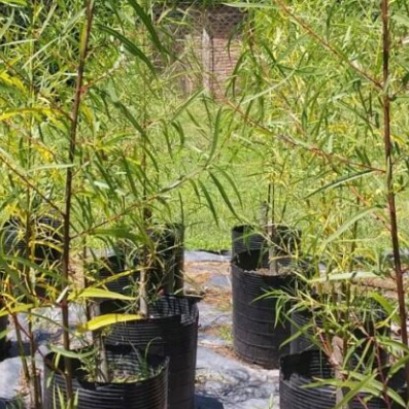 INTA Delta begins propagation of seven Creole willow clones for ecological restoration in Paraná
As a result of the rescue, domestication and registration work carried out by Teresa Cerrillo, a leading researcher in Salix Genetic Improvement, within the framework of the National Genetic and Forest Resources Programs of INTA, the multiplication and propagation of seven clones of Creole willow (Salix humboldtiana) began recently registered in the National Seed Institute (INASE) by INTA Delta del Paraná.