www.datalignum.com
search engine
To achieve any degree of success, today’s business, be it an artisan workshop, a large corporation or a retail activity, requires a sound knowledge of the market. Nowadays, communication and information methods are adapting to the new instruments technology provides. The time for improvisation, for spreading information by word of mouth, for the usual question: have you heard? and so on, is over.
As far as our sector is concerned, the English company Datalignum.com Ltd has put on internet its comprehensive database containing 112,380 company names operating worldwide.
The www.datalignum.comsearch engine is a precious working instrument, a complete catalogue of companies involved in our industry (with direct link to those with a website), it is divided into two business sectors (industry and retail) and supplies postal and e-mail addresses, telephone and fax numbers. For those already surfing the net, using the www.datalignum.com search engine is going to be like a child’s play; while those not used to it or those who still feel slightly awkward in front of a computer will master the task quickly and easily. It is always complicated to explain in words how to visit an internet site, the best thing to do is to try it for yourself.

IT MAY INTEREST YOU
 The discovery of methane-producing bacteria in trees rethinks the ecological role of forests
Pioneering study shows trees surprising internal microbial diversity and potential influence on global climate, driving novel strategies for agricultural and forestry management
 Nation reinforces prevention and training against forest fires
The director of the Federal Emergency Agency (AFE), Santiago Hardie, referred to the support that the Nation provides in fighting fires. He argued that the majority of igneous sources respond to human interventions and that, therefore, social awareness is a central tool to reduce environmental, material and human damage.
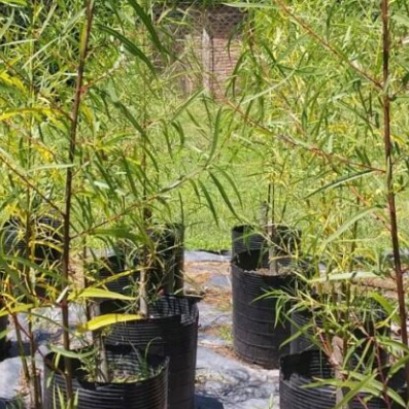 INTA Delta begins propagation of seven Creole willow clones for ecological restoration in Paraná
As a result of the rescue, domestication and registration work carried out by Teresa Cerrillo, a leading researcher in Salix Genetic Improvement, within the framework of the National Genetic and Forest Resources Programs of INTA, the multiplication and propagation of seven clones of Creole willow (Salix humboldtiana) began recently registered in the National Seed Institute (INASE) by INTA Delta del Paraná.