New Product
Introduction to PP Edgebanding
PP edgebanding is produced from polypropylene. Polypropylene is one the many types of thermoplastic polymers that exist in the world.
PP edgebanding is the most ecological, most flexible, and most heat resistant edgebanding among our plastic edgebanding range.
Simply, we can list the characteristics of PP as below:
It is the lightest weight polymer amongst thermoplastics
It is the most ecological
It is the most flexible
It has the best properties against shrinkage and heat.
PP edgebanding is a good choice for small radius applications and places where furniture is exposed to excess temperature and heat.
We can produce all sorts of edgebanding from polypropylene (plain colors, high gloss colors, and woodgrain colors).
TECE PP edgebanding is produced in master rolls of 300mm. Therefore, it can be slit to any size from 9mm up to 300mm.
The thickness can change from 0,4mm and 3mm.
We mainly consider PP edgebanding as an alternative to ABS as they can easily be recycled / burned without creating hazardous gas. We would not recommend PP edgebanding as alternative to PVC as processing PVC is less complicated than PP.

IT MAY INTEREST YOU
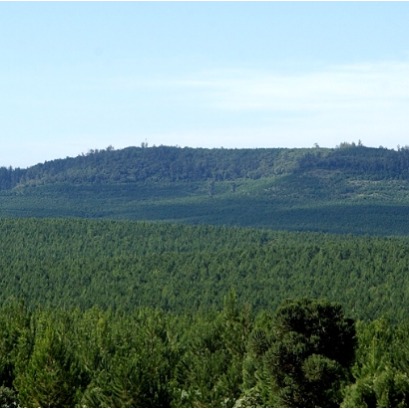 Free seminar on the implementation of the European EUDR regulation on deforestation-free wood products
The Argentine Forestry Association (AFoA) organizes the seminar «EUDR in Forest Products: Current status of implementation. Regulatory requirements and private experiences", which will take place on Wednesday, November 26, from 11:00 a.m. to 12:00 p.m., via Zoom, with live streaming on YouTube. The European Regulation on Deforestation-Free Products (EUDR) will enter into force on December 31, 2025 and will impose new requirements for forest products entering the European Union market.
 Combilift Unveils the 2025 Christmas video “Twelve Days of Christmas” – with a Twist!
Monaghan, Ireland – November 2025
 Nation reinforces prevention and training against forest fires
The director of the Federal Emergency Agency (AFE), Santiago Hardie, referred to the support that the Nation provides in fighting fires. He argued that the majority of igneous sources respond to human interventions and that, therefore, social awareness is a central tool to reduce environmental, material and human damage.