New Product
Introduction to PP Edgebanding
PP edgebanding is produced from polypropylene. Polypropylene is one the many types of thermoplastic polymers that exist in the world.
PP edgebanding is the most ecological, most flexible, and most heat resistant edgebanding among our plastic edgebanding range.
Simply, we can list the characteristics of PP as below:
It is the lightest weight polymer amongst thermoplastics
It is the most ecological
It is the most flexible
It has the best properties against shrinkage and heat.
PP edgebanding is a good choice for small radius applications and places where furniture is exposed to excess temperature and heat.
We can produce all sorts of edgebanding from polypropylene (plain colors, high gloss colors, and woodgrain colors).
TECE PP edgebanding is produced in master rolls of 300mm. Therefore, it can be slit to any size from 9mm up to 300mm.
The thickness can change from 0,4mm and 3mm.
We mainly consider PP edgebanding as an alternative to ABS as they can easily be recycled / burned without creating hazardous gas. We would not recommend PP edgebanding as alternative to PVC as processing PVC is less complicated than PP.

IT MAY INTEREST YOU
 The discovery of methane-producing bacteria in trees rethinks the ecological role of forests
Pioneering study shows trees surprising internal microbial diversity and potential influence on global climate, driving novel strategies for agricultural and forestry management
 Native forest | In Misiones, controls are tightened on routes for illegal transport of native wood, logging of forests without permits and fraudulent digital guides
Informality in forestry activity in Misiones was once again evident, the culture of operating illegally is a historical problem, and the Ministry of Ecology and Renewable Natural Resources carries out the corresponding control and inspection operations in the regulation of productive activity and sustainable management for the use of native forests.
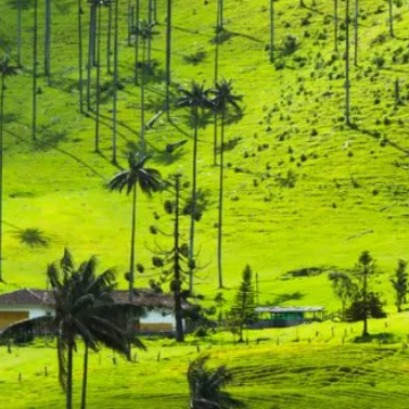 The tallest palm tree in the world is in South America: it is the height of a 20-story building
The worlds tallest palm tree stands deep in South America, a giant that challenges the limits of plant life Deep in South America, between the fog and the mountains, hides a giant tree that few know about. Majestic and silent, challenging the world on what plant life can achieve.