FAIMA asumió la Presidencia de CERFOAR
Pedro Reyna, asumió la Presidencia del Sistema Argentino de Certificación Forestal
El Secretario General de FAIMA, Pedro Reyna, asumió la Presidencia del Sistema Argentino de Certificación Forestal (CERFOAR) hasta el 2020. El CERFOAR establece los requisitos para la certificación de la gestión forestal sostenible en lo referido a bosques nativos y cultivados como así también de la cadena de custodia de productos forestales, verificando la trazabilidad de las materias primas de origen forestal, y sus derivados a través de las distintas fases del proceso productivo.
En la actualidad la integran las siguientes entidades: FAIMA, AFOA, AFCP, Federación Argentina de la Industria Gráfica y Afines (FAIGA), Instituto Nacional de Tecnología Agropecuaria; Ministerio de Agroindustria de la Nación; Ministerio de Producción de la Provincia de Corrientes; Instituto Argentino de Normalización y Certificación.
Los principales objetivos del CERFOAR para este año son concientizar a las empresas respecto a los beneficios de contar con productos certificados y ampliar la difusión acerca de las distintas certificaciones disponibles y de los servicios de capacitaciones y guías que se brindan a empresas para facilitar su proceso de certificación.

IT MAY INTEREST YOU
 Combilift Unveils the 2025 Christmas video “Twelve Days of Christmas” – with a Twist!
Monaghan, Ireland – November 2025
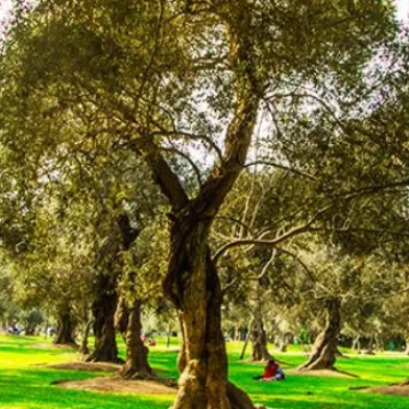 The city in South America that breathes thanks to a thousand olive trees planted in the 17th century
In the heart of South America there is a city that, among the noise and concrete, still breathes thanks to an olive forest
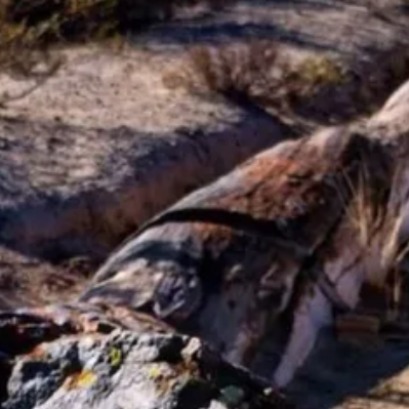 The forest of the oldest shadows: the story of the petrified trees
One of the natural treasures of Río Negro turns 23 years old under the protection law that allows its conservation. Where it is and how it was formed. Río Negro celebrates 23 years of conservation in the petrified forest as a Protected Natural Area (ANP). It is a space of 625 hectares that protects an exceptional site of fossil trunks that date back more than 60 million years.