Esta es la triste historia de la infame muerte de los árboles mas viejos y grandes del mundo
Algunos de los árboles más grandes y viejos del mundo ya estaban en el planeta cuando la mayoría de los humanos vivía literalmente en la Edad de Piedra.
Algunos de los árboles más grandes y viejos del mundo ya estaban en el planeta cuando la mayoría de los humanos vivía literalmente en la Edad de Piedra. Sin embargo, un abanico de acciones humanas, como la tala, la degradación de ecosistemas y ahora el cambio climático están acabando con los ejemplares más antiguos de secuoyas, eucaliptos de 100 metros o árboles tan mágicos como el baobab. Lo peor es que ya no existen las condiciones para que los ejemplares más jóvenes alcancen la altura y edad de sus antecesores.
Aunque hay muchas especies de árboles milenarios, solo unas pocas crecen durante siglos hasta alcanzar los 50, los 100 y hasta los 115 metros que superan algunos ejemplares de secuoya roja. No hay una categoría bien definida de lo que los botánicos llaman LOT, Large Old Trees (grandes árboles viejos, en inglés). Tampoco hay fijado un mínimo de altura o envergadura para determinar qué es un gran árbol. Un dato objetivo es el carácter central que juegan en su ecosistema. Y un dato subjetivo es la majestuosidad que inspiran a los humanos.
Por eso LOT son las dos especies de secuoyas que crecen en la costa oeste de EE UU, el fresno de montaña (Eucalyptus regnans) que crece durante 400 años hasta los 100 o más metros o el Petersianthus quadrialatus, una especie de palo rosa que crece en Filipinas. Pero también son árboles viejos y grandes los abetos de más de 50 metros que hay en el viejísimo bosque de Bialowieza (Polonia) o el baobab africano que en algunas especies alcanza los 30 metros de altura y más de 10 de circunferencia. Casi todos ellos están en retirada.

IT MAY INTEREST YOU
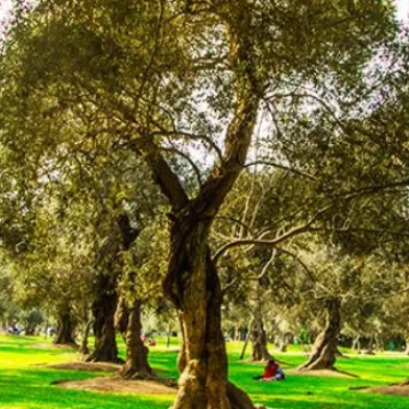 The city in South America that breathes thanks to a thousand olive trees planted in the 17th century
In the heart of South America there is a city that, among the noise and concrete, still breathes thanks to an olive forest
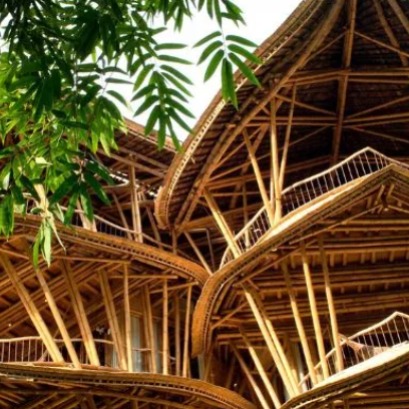 The South American country that changes construction thanks to an ancient, mega-resistant material: more than steel
This material that grows in South America creates the most resistant constructions and radically changes the world of architecture One particular building material has been used for millennia by various cultures in South America. This is due to its structural resistance that allows the creation of homes, bridges and shelters. Its archaeological presence shows that it was one of the most valued construction resources in seismic and humid areas.
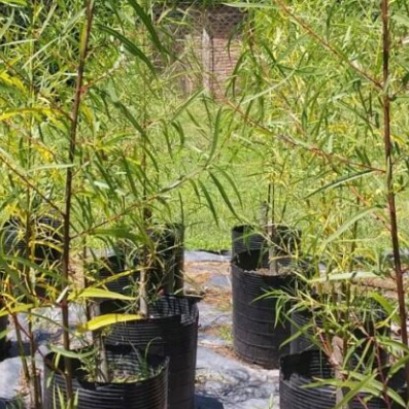 INTA Delta begins propagation of seven Creole willow clones for ecological restoration in Paraná
As a result of the rescue, domestication and registration work carried out by Teresa Cerrillo, a leading researcher in Salix Genetic Improvement, within the framework of the National Genetic and Forest Resources Programs of INTA, the multiplication and propagation of seven clones of Creole willow (Salix humboldtiana) began recently registered in the National Seed Institute (INASE) by INTA Delta del Paraná.