.jpg)
Con el Programa Leña Renovable se plantarán 2.310 hectáreas de eucalipto
Según el Ministerio del Agro y la Producción de Misiones 1.695 pequeños productores se inscribieron en el Programa Leña Renovable y sumarán, este año, 2.310 hectáreas más de eucalipto, en el marco de la Ley Provincial XVI N° 106, de Dendroenergía-
Desde la la Subsecretaría de Desarrollo Forestal, el ingeniero Juan Gauto precisó que ha culminado, con destacado éxito, la inscripción de la demanda del presente año para la provisión gratuita de plantines forestales e insumos para controlar hormigas cortadoras.
“Este año dio como resultado la inscripción de 1.695 pequeños productores que solicitan un total de 2.310 hectáreas de plantaciones forestales a ser provistas, con más de dos millones trescientos mil plantines forestales para fines energéticos. La entrega de los recursos se realizarán posterior al periodo de heladas", detalló el funcionario.
Con el Programa de Leña Renovable, la provincia de Misiones promueve plantaciones de alta densidad de eucaliptus para ser utilizadas como leña para secaderos de té y yerba. El gobierno provincial subsidia los plantines y los hormiguicidas.

IT MAY INTEREST YOU
 Nation reinforces prevention and training against forest fires
The director of the Federal Emergency Agency (AFE), Santiago Hardie, referred to the support that the Nation provides in fighting fires. He argued that the majority of igneous sources respond to human interventions and that, therefore, social awareness is a central tool to reduce environmental, material and human damage.
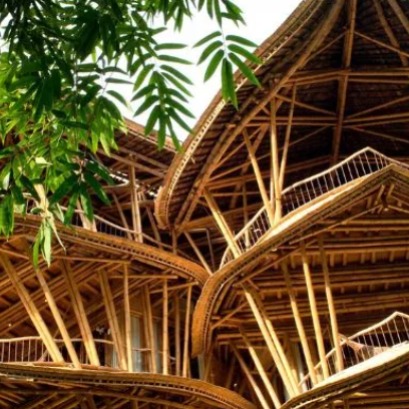 The South American country that changes construction thanks to an ancient, mega-resistant material: more than steel
This material that grows in South America creates the most resistant constructions and radically changes the world of architecture One particular building material has been used for millennia by various cultures in South America. This is due to its structural resistance that allows the creation of homes, bridges and shelters. Its archaeological presence shows that it was one of the most valued construction resources in seismic and humid areas.
 The DNA of forests: they discover what makes a tree resist drought
An international team, with the participation of INTA and Conicet, discovered that genetics can be decisive for trees to better resist droughts