.jpg)

Kronospan orders additional OSB plant core package from Dieffenbacher
New order is part of expansion and modernization project at Sanem site in Luxembourg
Kronospan plans on investing 330 million euros at its Sanem site in Luxembourg over the next four years. Before the planned new construction of a particleboard plant in the second project phase, the existing OSB plant will be partially refurbished and modernized.
The multi-opening plant, in operation since 1996, was one of the first OSB production plants in Western Europe. After more than 20 years of operation, it will be replaced by a continuous production line with CPS+. In addition to the press, the order also covers the forming station, the forming line, the finishing line (comprising a diagonal saw, large stack formation and large stack storage) as well as the conveyor technology, the filter systems and the press exhaust air treatment. The execution and supervision of the assembly are also included in the Dieffenbacher scope of supply.
This cutting-edge plant was planned entirely using 3D design tools. This allowed Dieffenbacher to fine-tune the plant structure to the conditions at the site, largely avoiding additional preparatory work for Kronospan. The contract was signed at the end of May, and commissioning is set for autumn 2018.
The project continues the long-standing collaboration between Dieffenbacher and Kronospan, especially in the area of OSB. Sanem will be the sixth OSB project completed by Dieffenbacher for Kronospan in less than 15 years. Kronospan also produces OSB panels using Dieffenbacher plants in Jihlava (Czech Republic), Riga (Latvia), Brasov (Romania), Mogilev (Belarus) and Strzelce Opolskie (Poland).
Para mayor informacion: http://dieffenbacher.vetas.com

IT MAY INTEREST YOU
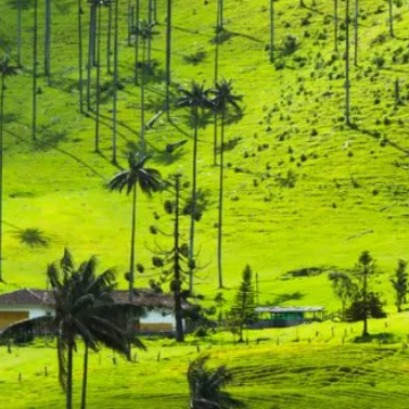 The tallest palm tree in the world is in South America: it is the height of a 20-story building
The worlds tallest palm tree stands deep in South America, a giant that challenges the limits of plant life Deep in South America, between the fog and the mountains, hides a giant tree that few know about. Majestic and silent, challenging the world on what plant life can achieve.
 Nation reinforces prevention and training against forest fires
The director of the Federal Emergency Agency (AFE), Santiago Hardie, referred to the support that the Nation provides in fighting fires. He argued that the majority of igneous sources respond to human interventions and that, therefore, social awareness is a central tool to reduce environmental, material and human damage.
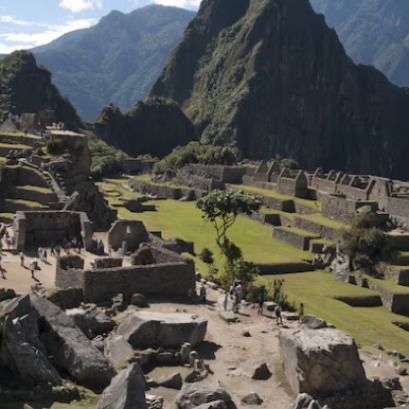 Reforestation advances in the Historic Sanctuary of Machu Picchu with new restored hectares
The plan includes the planting of a thousand new trees in the sanctuary, in response to the damage caused by forest fires and environmental threats, with the support of local authorities and representatives of the tourism sector.