El 10% de las especies del planeta se encuentran en una reserva natural de Ecuador
A 270 kilómetros de Quito, en lo más profundo de la Amazonía ecuatoriana, el Parque Nacional Yasuní
A 270 kilómetros de Quito, en lo más profundo de la Amazonía ecuatoriana, el Parque Nacional Yasuní da refugio a una de las mayores reservas de especies de todo el planeta, una parte de cuya biodiversidad sale a la luz en un nuevo libro fruto de dos décadas de investigaciones
Ubicada en la región oriental del país, con severas restricciones de acceso para proteger este exclusivo entorno, el Yasuní es hogar de un millón de especies, según los expertos.
El 80 por ciento de las especies del Parque todavía no tienen ni nombre científico (...) y aún hay mucho por hacer",aseguró a Efe Kelly Swing, director de la Estación de Biodiversidad Tiputini (EBT), que comenzó sus trabajos a mediados de los noventa.

IT MAY INTEREST YOU
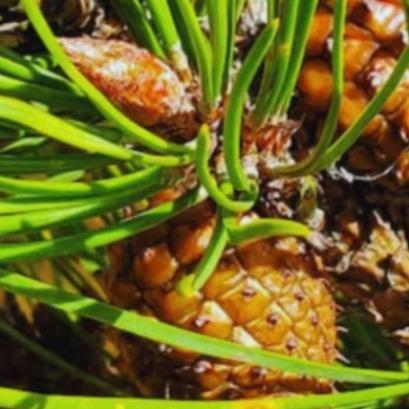 The DNA of forests: they discover what makes a tree resist drought
An international team, with the participation of INTA and Conicet, discovered that genetics can be decisive for trees to better resist droughts
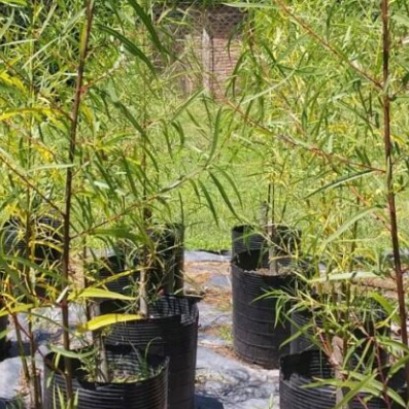 INTA Delta begins propagation of seven Creole willow clones for ecological restoration in Paraná
As a result of the rescue, domestication and registration work carried out by Teresa Cerrillo, a leading researcher in Salix Genetic Improvement, within the framework of the National Genetic and Forest Resources Programs of INTA, the multiplication and propagation of seven clones of Creole willow (Salix humboldtiana) began recently registered in the National Seed Institute (INASE) by INTA Delta del Paraná.
 Nation reinforces prevention and training against forest fires
The director of the Federal Emergency Agency (AFE), Santiago Hardie, referred to the support that the Nation provides in fighting fires. He argued that the majority of igneous sources respond to human interventions and that, therefore, social awareness is a central tool to reduce environmental, material and human damage.