Preocupa la caída de la forestación en Mendoza
El inventario que hizo la Nación reveló que actualmente hay 6.197 hectáreas forestadas y hace 10 años eran 15.000.
La situación de la forestación en Mendoza quedó al desnudo cuando el inventario reflejó que actualmente en la provincia hay 6.197 hectáreas forestadas y 3.434 kilómetros de lo que se denomina cortinas, que son árboles que generalmente se plantan en línea para proteger frutales o viñedos. Todo esto generado en el marco de la ley de inversiones para bosques cultivados.
La situación es preocupante porque hace 10 años eran 15.000 las hectáreas forestadas en la provincia y eso nos indica que si no cambiamos esta realidad en 5 años vamos a tener una escasez de madera. Es una gran oportunidad para modificar la ley existente y planificar una plantación apuntando a la diversificación del uso de la madera", dijo Sergio Videla, titular de la Asociación de Empresarios de la madera local (ADEMA)

IT MAY INTEREST YOU
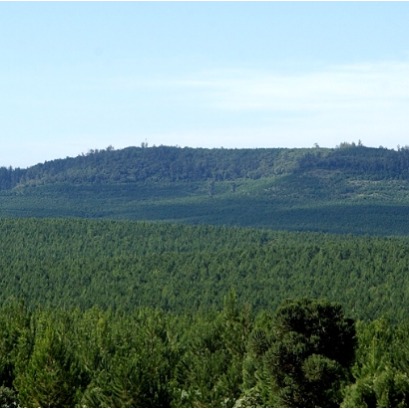 Free seminar on the implementation of the European EUDR regulation on deforestation-free wood products
The Argentine Forestry Association (AFoA) organizes the seminar «EUDR in Forest Products: Current status of implementation. Regulatory requirements and private experiences", which will take place on Wednesday, November 26, from 11:00 a.m. to 12:00 p.m., via Zoom, with live streaming on YouTube. The European Regulation on Deforestation-Free Products (EUDR) will enter into force on December 31, 2025 and will impose new requirements for forest products entering the European Union market.
 Nation reinforces prevention and training against forest fires
The director of the Federal Emergency Agency (AFE), Santiago Hardie, referred to the support that the Nation provides in fighting fires. He argued that the majority of igneous sources respond to human interventions and that, therefore, social awareness is a central tool to reduce environmental, material and human damage.
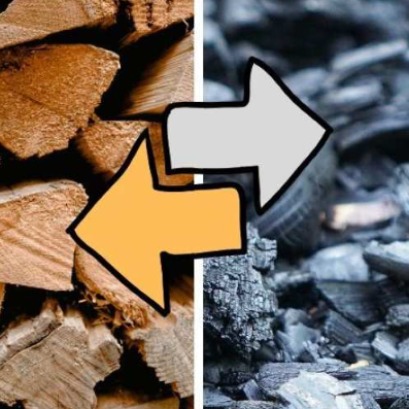 Canadian researchers make biochar from wood waste that rivals steel in strength
Researchers at the University of Toronto have developed monolithic biochar from wood that can reach an axial hardness of up to 2.25 GPa, similar to mild steel.