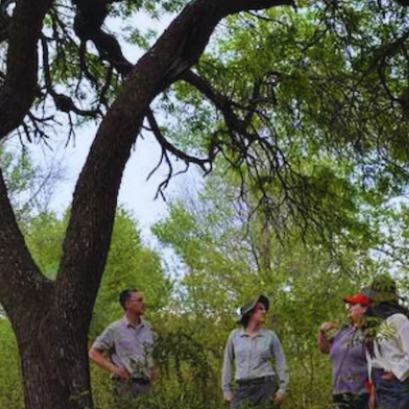
In the southwest of Chaco, integrating trees and shrubs into the countryside improves the soil and opens new productive opportunities for local producers
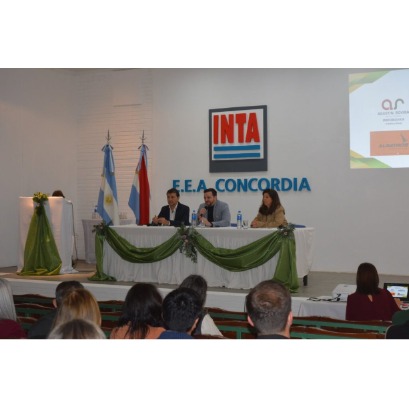
The traditional Entre Ríos Forestry Days took place on Thursday, September 24 and Friday, September 25 at the INTA Concordia headquarters, organized in conjunction with the Association of Agricultural Engineers of the Northeast of Entre Ríos (AIANER). The proposal brought together representatives from different parts of the country and countries in the region to analyze the current challenges of the activity.
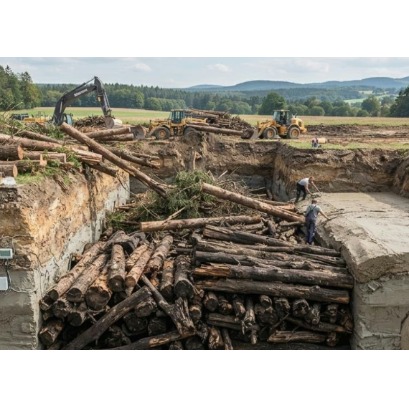
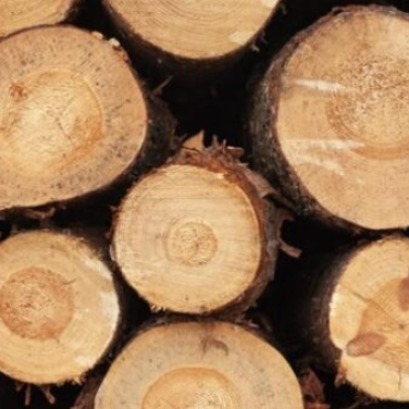
This innovative method buries woody biomass in clay soils to prevent decomposition and keep carbon out of the atmosphere With the advance of climate change, innovative proposals are beginning to emerge to reduce greenhouse gas emissions and remove carbon from the atmosphere. One of them relies on a resource as simple as the trunks of dead trees.
The Secretariat of Agriculture, Livestock and Fisheries of the Ministry of Economy of the Nation, through the National Directorate of Industrial Forest Development, launched the in-person stage of the National Industrial Forest Census 2026, with the objective of expanding the coverage of the survey and obtaining updated information on the activity throughout the Argentine territory.
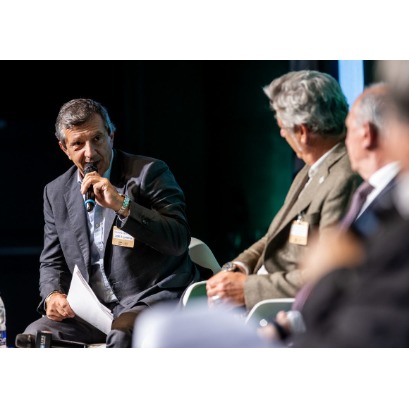
Asturias claims its potential to attract new projects linked to wood processing. The region has resources but also a business, industrial and technological ecosystem that was highlighted yesterday by twenty speakers in Madrid.
The agroindustrial sector is going through a transformation in which data and technology occupy an increasingly relevant place. However, having more information does not necessarily mean producing better, reducing costs or generating new businesses: the real leap in competitiveness begins when this data is integrated into processes and becomes decisions capable of generating results.
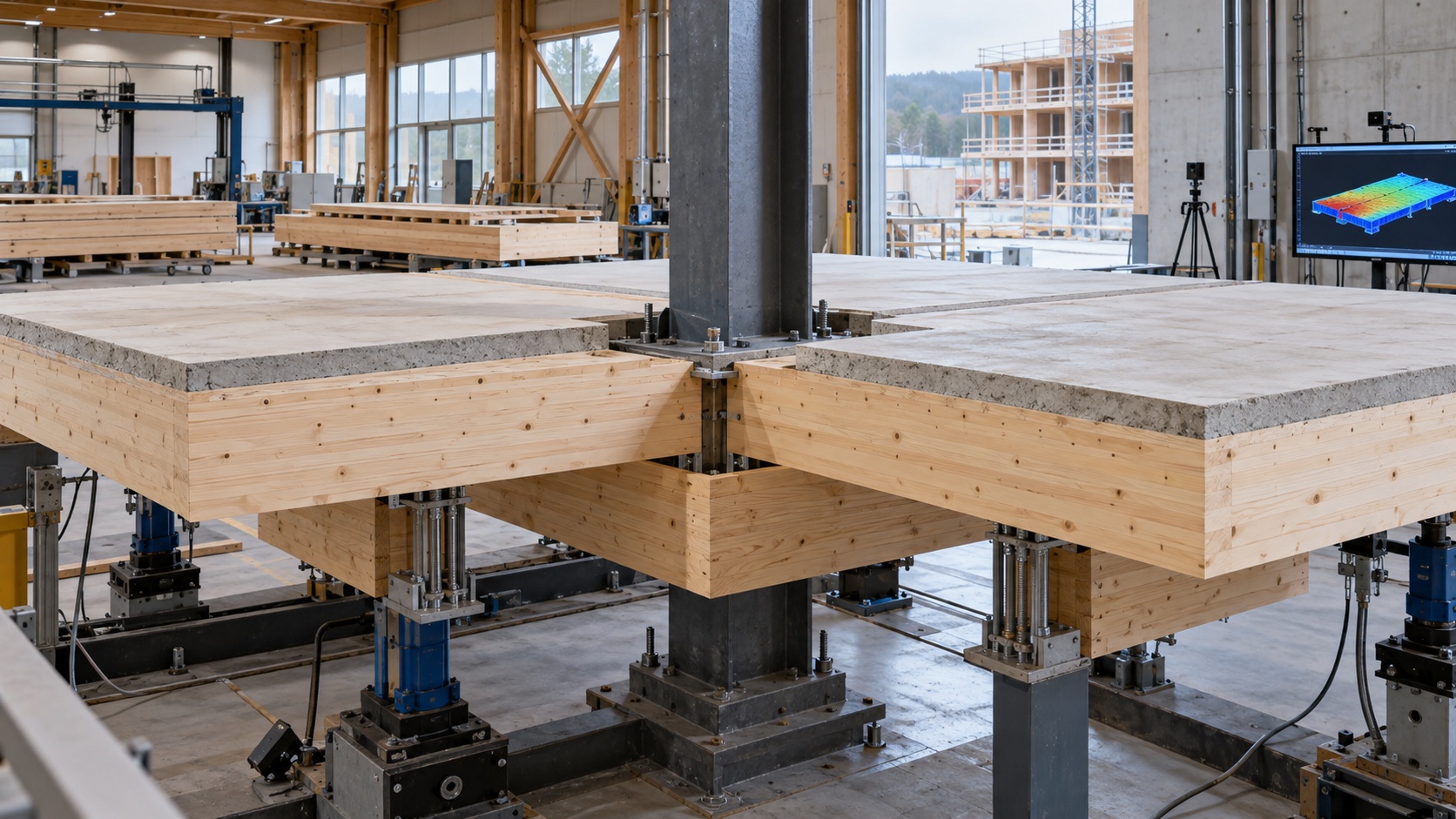
A 20-tonne load test has just turned a research concept into a tangible signal for the timber construction industry. Researchers at the University of Stuttgart tested a full-scale, 9 by 5 metre timber-concrete composite slab supported on columns and designed to span in two directions. The result is more than another structural component. It proposes a different way to design, manufacture and assemble floors for multi-storey buildings.
The meeting will be held on November 21 and 22 and will bring together brigade members, firefighters, forestry workers, specialists, technicians, researchers, organizations, producers and communities to address prevention, combat and recovery of areas affected by fire.
Join the community
Create your free account with Google, in one click: