The discovery of methane-producing bacteria in trees rethinks the ecological role of forests
Pioneering study shows trees surprising internal microbial diversity and potential influence on global climate, driving novel strategies for agricultural and forestry management
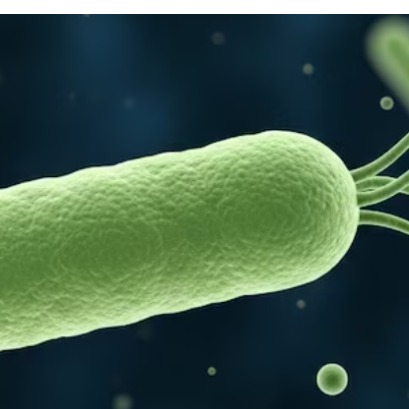
The diversity of microorganisms present in the deep wood of trees opens new perspectives for environmental management and agriculture. The interior of trees, until now considered an understudied environment, contains microbial communities that could play a relevant role in climate change. A team of scientists has mapped for the first time the trunk microbiome in 150 trees of 16 species, identifying anaerobic methane-producing bacteria in the heartwood, the innermost part of the trunk. This finding, reported in the journal Nature and cited by Scientific American, challenges the traditional view of trees as carbon sinks and raises new questions about its contribution to greenhouse gas emissions. The study, led by Jonathan Gewirtzman, an ecosystem ecologist at Yale University, concluded that a mature tree can harbor nearly a trillion bacteria in its internal microbiome. These communities vary not only between species, but also depending on the layer of the trunk in which they are located. Gewirtzman explained to Scientific American: What lives inside the trees was very different from what we find anywhere else in the forest. In addition, he mentioned that the microbial population inside the trunk is more similar to that of a wetland than to that of other forest environments. The abundance of microscopic life in an apparently solid structure like the trunk highlights the active role that trees can play in the balance of ecosystems.Methodology: from heartwood to sapwoodTo achieve these results, the researchers drilled trunks of live trees and extracted thin cores, which they immediately frozen to preserve microbial activity.They separated the samples into sapwood (middle layer) and heartwood (inner layer), ground the frozen wood and analyzed the bacteria present in each section. The holes made were sealed and the emissions of gases, such as methane and nitrous oxide, were measured to evaluate the microbial activity in each layer. This innovative procedure made it possible to draw a precise map of the distribution and function of the microorganisms in each stratum of the trunk, providing unprecedented information on internal processes that usually go unnoticed. Key findings: methane-producing bacteria inside the trunk The analysis showed that evolutionarily close trees tend to share similar microbiomes. The greatest discovery arose when examining the heartwood, where anaerobic methane-producing bacteria, adapted to oxygen-poor environments, similar to wetlands, were identified. The scientists also observed that some bacteria in the outer layers can consume part of the methane generated inside. However, the data suggest that both heartwood and sapwood bacteria could add greenhouse gas emissions, such as methane and nitrous oxide, to the overall balance. These data should be considered in scientific calculations on the climate impact of trees, a question little explored until now, detailed Scientific American. Implications for agriculture and environmental management Microbiologist Sharon Lafferty Doty (University of Washington) highlighted the originality of the study for comparing internal and external wood, a unusual approach in plant microbial research. In addition, he warned that chemicals used in modern agriculture can damage the health of the plant microbiome, which would affect the ecological function of trees and their link to the climate. Understanding and protecting internal microbial interactions is not only crucial for forest health, but could also influence future strategies to reduce greenhouse gas emissions. According to research collected by Scientific American, understanding the natural associations between plants and microbes will allow the identification of essential and active bacteria, which will help basis to strengthen agricultural systems and improve environmental management in the future.
IT MAY INTEREST YOU
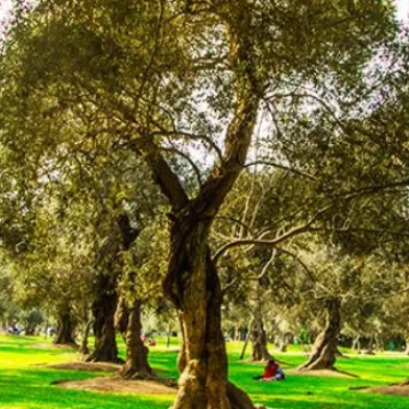 The city in South America that breathes thanks to a thousand olive trees planted in the 17th century
In the heart of South America there is a city that, among the noise and concrete, still breathes thanks to an olive forest
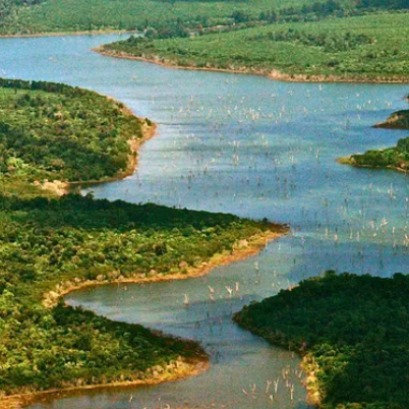 The second largest wetland in South America is located in Argentina: what is it?
Argentina has national parks that place it in a unique position within South America, competing with 300 others. Which is the largest? South America is home to more than 300 national parks, but many go unnoticed. There are extensive wetlands that have been the subject of major ecological restoration projects, to coastal mountains with deep indigenous heritage. Today we tell you the case of one located in Argentina.
 Missions | New illegal felling in the Piñalito Provincial Park in San Pedro reveals the silent expansion of deforestation in protected areas
The advance of deforestation on protected areas was once again evident this week in the Piñalito Sur Provincial Park, in San Pedro, where the Ministry of Ecology and Renewable Natural Resources confirmed a new case of selective illegal logging. The event occurs in a context of growing concern about the fragility of the environmental control system in rural and border areas, where the scarcity of resources, personnel and logistics limits the capacity of surveillance against criminal organizations organized to steal native woods and market them on the black market in connivance with sawmill owners.